Heart Under Siege: The Hidden War Stress and Anxiety Wage on Your Arteries
Explore the invisible connection between mental health and cardiac function. This guide reveals how cortisol and adrenaline physically reshape your heart and what you can do to stop it.
Heart Under Siege: Understanding How Stress and Anxiety Wage War on Your Cardiovascular System
The Invisible Connection: Mind vs. Muscle
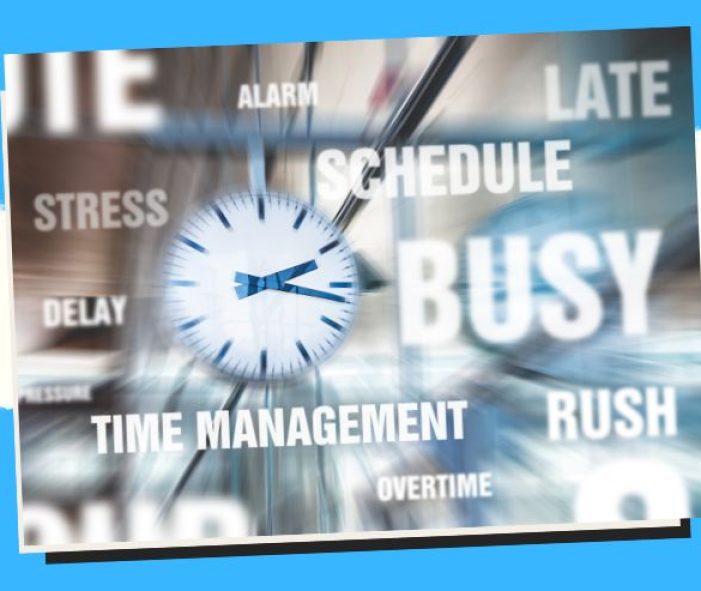
When we think of heart disease, we often visualize clogged arteries caused by fried foods or a lack of exercise. While those factors are certainly critical, there is an invisible, silent predator that can be just as lethal: chronic stress and anxiety. The relationship between the brain and the heart is a two-way street, connected by a complex web of nerves, hormones, and chemical signals. When your mind perceives a threat, your heart is the first organ to receive the call to action. In short bursts, this is a life-saving mechanism. However, when the mind remains in a state of perpetual “siege,” the cardiovascular system begins to pay a heavy price.
The Biological Mechanics of the Attack
To understand how stress wages war, we must look at the Autonomic Nervous System (ANS). When you experience anxiety, the sympathetic nervous system triggers the “fight or flight” response. This causes a surge of hormones, primarily adrenaline and cortisol.
Adrenaline increases your heart rate and raises your blood pressure to prepare you for physical exertion. Cortisol increases glucose in the bloodstream and alters immune system responses. In a healthy scenario, these levels drop once the stressor is gone. In chronic anxiety, these levels remain elevated. This persistent hormonal flood acts like sandpaper on the delicate lining of your blood vessels, leading to inflammation and the acceleration of plaque buildup.
10 Profound Benefits of Stress Management for Heart Health
- Lower Blood Pressure: Reducing anxiety slows the heart rate and relaxes blood vessels, decreasing the force exerted on arterial walls.
- Reduced Systemic Inflammation: Lower cortisol levels lead to a decrease in inflammatory markers that contribute to atherosclerosis.
- Stabilized Heart Rhythm: Stress management helps maintain a healthy heart rate variability (HRV), reducing the risk of arrhythmias.
- Improved Endothelial Function: The inner lining of your blood vessels functions more effectively when not under constant hormonal attack.
- Better Sleep Quality: Lowering evening stress allows for deeper restorative sleep, during which the heart naturally slows and repairs itself.
- Decreased Risk of Blood Clots: Stress increases the “stickiness” of platelets. Managing it helps keep blood flowing smoothly.
- Enhanced Metabolic Health: Lower stress levels prevent the emotional eating and insulin resistance often triggered by high cortisol.
- Faster Recovery from Exercise: A calm nervous system allows the heart to return to its resting state more efficiently after physical exertion.
- Strengthened Immune Response: A healthy heart and a calm mind work together to keep the body resilient against infections that can strain the cardiac system.
- Increased Longevity: Study after study shows that those who master stress management techniques live longer, healthier lives with fewer cardiac events.
Pros and Cons of Traditional vs. Holistic Cardiac Protection
The Pros
- Immediate Intervention: Medications like beta-blockers can quickly lower a dangerously high heart rate during acute anxiety.
- Objective Monitoring: Wearable technology allows you to see the physical manifestation of stress in real time.
- Accessible Tools: Simple breathing techniques are free, portable, and scientifically proven to calm the nervous system.
- Professional Support: Therapy can get to the root of anxiety, providing a long-term solution rather than a temporary fix.
- Integrated Care: Modern cardiology is beginning to treat the “whole person,” recognizing mental health as a core pillar of heart health.
The Cons
- Side Effects: Some anti-anxiety medications can cause weight gain or lethargy, which might indirectly impact heart health.
- Time Commitment: Practices like meditation and mindfulness require daily consistency to show biological changes in the heart.
- Over-reliance on Tech: Constant monitoring of heart rate can sometimes increase anxiety in sensitive individuals.
- Cultural Stigma: Many people still find it difficult to admit that their heart issues might be linked to their emotional state.
- Cost of Care: Quality mental health support can be expensive and is not always fully covered by insurance.
Case Studies: The Reality of the Heart Under Siege
- The High-Pressure Executive: A 45-year-old manager with “perfect” cholesterol suffered a mild heart attack. The cause was identified as extreme work-related stress leading to a sudden coronary artery spasm.
- The Chronic Worrier: A woman in her 60s developed Takotsubo Cardiomyopathy (Broken Heart Syndrome) after a period of intense grief and anxiety, showing that emotional pain has physical consequences.
- The Panic Disorder Patient: A young man frequenting the ER for chest pains discovered his “heart problems” were severe panic attacks that were significantly raising his resting blood pressure over time.
- The Caregiver Burnout: A full-time caregiver for an elderly parent showed signs of early-stage heart failure, which reversed significantly once a support system was implemented to reduce their daily stress load.
- The Phobic Aviator: A pilot with a hidden fear of flying showed dangerous spikes in heart rate during flights, leading to long-term cardiac remodeling that was only halted through cognitive behavioral therapy.
- The Social Isolation Subject: Research into a group of isolated seniors showed that those with the highest levels of social anxiety had the stiffest arteries, regardless of their diet.
- The Mindfulness Success: In a clinical trial, patients with hypertension who practiced 20 minutes of daily meditation saw a reduction in blood pressure comparable to starting a new medication.
- The Post-Traumatic Recovery: A veteran with PTSD worked with a cardiologist and a psychologist to manage his “hyper-arousal,” which directly resulted in a lower risk score for future heart disease.
- The Sleep Apnea and Anxiety Link: A patient found that treating his underlying anxiety reduced his nocturnal panic, which in turn improved his sleep apnea and lowered his heart’s workload.
- The Yoga Intervention: A group of patients with atrial fibrillation who added yoga to their routine experienced fewer episodes of irregular heartbeat compared to the control group.
Key Takeaways for Protecting Your Heart
- Emotions are Physical: Your heart does not distinguish between a physical threat and a psychological one; the hormonal response is the same.
- Cortisol is the Enemy: Chronic elevation of this “stress hormone” is a direct contributor to arterial plaque and weight gain.
- Breathe to Reset: Slow, deep diaphragmatic breathing is the fastest way to signal to your heart that the siege is over.
- Movement is Medicine: Exercise acts as a “pressure valve,” allowing the body to burn off the adrenaline produced by anxiety.
- Sleep is Non-Negotiable: During sleep, your heart rate drops and your blood pressure stabilizes. Depriving yourself of sleep keeps your heart under siege.
- Connection Protects: Strong social bonds and healthy relationships act as a buffer against the damaging effects of external stress.
- Watch the Caffeine: When you are already anxious, stimulants like caffeine can push your heart rate into a dangerous zone.
- Identify Your Triggers: Knowing what causes your “fight or flight” response allows you to prepare your body and mind.
- Mindfulness Works: Training your brain to stay in the present moment prevents the “future-tripping” that fuels chronic anxiety.
- Seek Help Early: Treating anxiety is not a sign of weakness; it is a vital step in preventing long-term cardiovascular damage.
Frequently Asked Questions (FAQs)
1. Can anxiety cause permanent heart damage?
Answer: While a single panic attack is unlikely to cause permanent damage, years of chronic, untreated anxiety can lead to high blood pressure, arterial stiffness, and a higher risk of heart disease.
2. What is “Broken Heart Syndrome”?
Answer: Officially called Takotsubo Cardiomyopathy, it is a temporary heart condition often brought on by stressful situations and extreme emotions. It involves a sudden weakening of the muscular heart wall.
3. Does stress make my cholesterol higher?
Answer: Indirectly, yes. Stress can trigger the release of triglycerides and free fatty acids, and it often leads to “stress eating” foods that are high in unhealthy fats.
4. How can I tell the difference between a panic attack and a heart attack?
Answer: It can be very difficult as symptoms like chest pain and shortness of breath overlap. If you are in doubt, always seek emergency medical attention immediately.
5. How does cortisol affect my arteries?
Answer: Cortisol causes the body to remain in a state of high alert, which increases blood pressure and promotes the buildup of fatty deposits in the arteries.
6. Can meditation really lower my blood pressure?
Answer: Yes. Numerous studies have shown that consistent meditation activates the parasympathetic nervous system, which naturally lowers heart rate and blood pressure.
7. Why does my heart race when I am stressed?
Answer: This is due to the release of adrenaline, which is designed to pump blood faster to your limbs so you can run away or fight a perceived predator.
8. Is “Type A” personality really linked to heart disease?
Answer: Research suggests that the specific traits of hostility and chronic impatience associated with Type A personalities are indeed linked to a higher risk of cardiac events.
9. Can social media use impact my heart health?
Answer: If social media causes you significant stress, “FOMO,” or social anxiety, it can trigger the same hormonal stress response as any other life stressor.
10. What is the best exercise for someone with high anxiety?
Answer: Rhythmic, repetitive exercises like walking, swimming, or cycling are often best, as they provide the cardiovascular benefit without the “high-intensity” stress of some competitive sports.
Conclusion: Calling Off the Siege
Your heart is a resilient organ, but it was never meant to live in a state of constant warfare. The modern world presents us with a unique challenge: our biological “fight or flight” system is being triggered by emails, traffic, and news cycles rather than physical predators. To protect your cardiovascular system, you must prioritize your mental well-being with the same intensity that you monitor your diet. By embracing stress management, seeking support for anxiety, and understanding the deep biological link between your mind and your heart, you can finally call off the siege and allow your heart to beat in peace. ❤️
Link Resources
- American Heart Association: Stress and Heart Health Overview.
- Harvard Health: The Science of the Mind-Body Connection.
- Mayo Clinic: Understanding Takotsubo (Broken Heart) Syndrome.
- Cleveland Clinic: Managing Anxiety to Protect Your Heart.
- National Institutes of Health: Chronic Stress and Cardiovascular Disease Research.
Key Phrases
- Impact of stress on heart health
- Anxiety and cardiovascular disease link
- Cortisol and arterial damage
- Managing fight or flight for heart health
- Broken Heart Syndrome causes
- Mind-body connection in cardiology
- Lowering blood pressure through mindfulness
- Hormonal response to chronic anxiety
- Stress management for cardiac recovery
- Autonomic nervous system and the heart
Best Hashtags
#HeartHealth #StressManagement #AnxietyAwareness #MindBodyConnection #HealthyHeart #WellnessJourney #MentalHealthMatters #Cardiology #StressRelief #HealthyLiving
Save/Share this post with QR CODE
Disclaimer
The information provided in this article is for educational and informational purposes only and is not intended to substitute professional medical advice, diagnosis, or treatment. Always seek the advice of your physician or qualified health provider with any questions you may have regarding a medical condition or wellness program.
Work with Us
If you have collaboration ideas, comments, suggestions, reviews, or need website care support services, feel free to visit our Work with Us page anytime.
We appreciate your reading. 😊Simple Ways To Say Thanks & Support Us:
1.) ❤️GIVE A TIP. Send a small donation thru Paypal😊❤️
Your DONATION will be used to fund and maintain NursingWellness.com
Subscribers in the Philippines can make donations to mobile number 0917 906 3081, thru GCash.
3.) 🛒 BUY or SIGN UP to our AFFILIATE PARTNERS.
4.) 👍 Give this news article a THUMBS UP, and Leave a Comment (at Least Five Words).
AFFILIATE PARTNERS

World Class Nutritional Supplements - Buy Highest Quality Products, Purest Most Healthy Ingredients, Direct to your Door! Up to 90% OFF.
Join LiveGood Today - A company created to satisfy the world's most demanding leaders and entrepreneurs, with the best compensation plan today.