
How to Master Foot Health: A Guide to Managing Plantar Fasciitis in Nursing Staff
Discover how to manage plantar fasciitis in nursing staff with our ultimate guide. Learn practical tools to stay pain-free and resilient during long hospital shifts.
Ergonomic Foot Support: Managing Plantar Fasciitis in Nursing Staff
Nursing is one of the most rewarding and physically demanding professions in the healthcare industry. Nurses spend their shifts walking down long corridors, standing during intensive surgical procedures, and assisting patients with mobility. While their dedication is vital for patient care, this constant physical strain can have a severe impact on the nursing staff’s own health, particularly their feet.
Studies indicate that healthcare professionals walk an average of four to five miles during a typical 12-hour shift. This repetitive impact on hard hospital flooring frequently leads to occupational musculoskeletal disorders. Among these, plantar fasciitis is one of the most common and painful conditions reported by clinicians. Fortunately, implementing proper ergonomic foot support can help manage and prevent this debilitating foot condition. In this guide, we will examine the biomechanics of plantar fasciitis, discuss the key features of supportive footwear, and share actionable foot health strategies for busy nursing staff.
Understanding Plantar Fasciitis in Nursing Staff
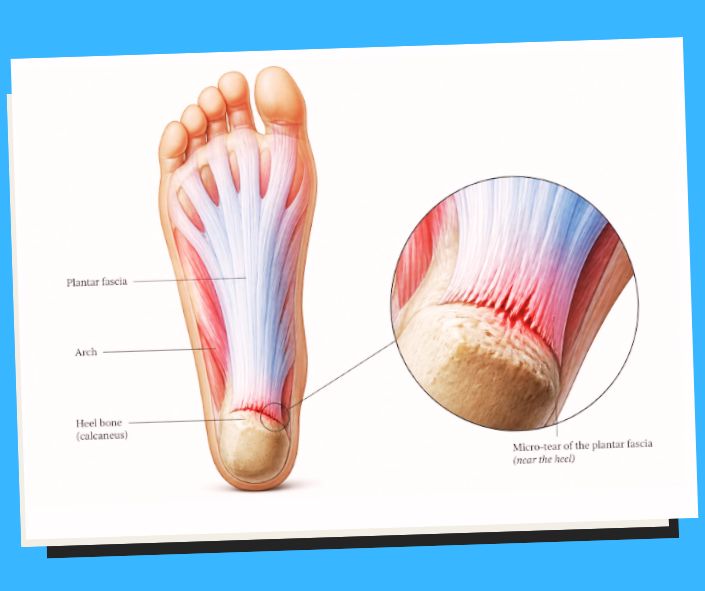
Plantar fasciitis is an inflammatory condition affecting the plantar fascia—a thick, fibrous band of connective tissue that runs along the bottom of the foot, connecting the heel bone to the toes. This tissue acts as a natural shock absorber and supports the foot’s longitudinal arch.
When a nurse walks or stands for hours on hard surfaces, the plantar fascia undergoes repetitive micro-tears due to excessive stress. Without adequate recovery time and support, these micro-tears lead to chronic inflammation, causing sharp, stabbing pain near the heel. This pain is typically most severe during the first steps in the morning or when standing up after a brief period of rest. For nursing staff, this pain can affect clinical performance, reduce productivity, and lead to chronic posture imbalances.
From a biomechanical standpoint, the foot operates on the “windlass mechanism.” When the toes bend upward during walking, the plantar fascia is pulled tight, raising the arch and stabilizing the foot. When a nurse walks without supportive footwear, this mechanism is overworked, leading to excessive flattening of the foot (overpronation) and chronic strain on the heel insertion point. Biomechanical research highlights that neglecting early symptoms of arch strain can cause the body to compensate, leading to secondary pain in the ankles, knees, hips, and lower back.
How to Manage Plantar Fasciitis
Effectively managing plantar fasciitis in nursing staff requires an intentional blend of structural support and daily therapeutic habits. Follow these steps to safeguard your feet during busy shifts.
Step 1: Secure Rigid and Contoured Arch Support
The primary defense against plantar fasciitis is stabilizing the longitudinal arch to prevent it from collapsing (overpronation). Ensure your footwear features robust contours or upgrade them with rigid arch support insoles made from hard plastics or TPU, which effectively redistribute pressure away from the heel.
Step 2: Ensure Deep Heel Cup Stability
Select shoes that feature a deep, structured heel cup to securely cradle the rearfoot. This structural alignment prevents the foot from rolling inward, protects the body’s natural fatty heel pad, and diminishes lateral ankle instability.
Step 3: Mandate Shock-Absorbing Midsole Cushioning
Because hard hospital floors offer zero shock absorption, choose work shoes engineered with thick, high-density midsoles. Materials like polyurethane or ethylene-vinyl acetate (EVA) are essential to dampen ground reaction forces before they reach your joints.
Step 4: Perform Pre-Shift Calf and Achilles Stretches
Before starting your shift, dedicate a few minutes to a simple wall stretch by stepping one foot back and pressing the heel into the floor. This practice safely relieves tension in the Achilles tendon, which directly pulls on the heel bone.
Step 5: Practice the Seated Plantar Fascia Stretch
During clinical breaks, cross one leg over the other and gently pull your toes back toward your shin. Hold this position until you feel a therapeutic stretch across the longitudinal arch to counter micro-tears in the connective tissue.
Step 6: Implement Post-Work Ice Rolling
After clocking out, roll the arch of your foot over a frozen water bottle for 10 minutes. This rapid cold therapy reduces acute inflammation, soothes aching muscle tissues, and minimizes sharp, stabbing pain.
Step 7: Alternate and Rotate Your Footwear
Avoid wearing the same pair of shoes for consecutive shifts. Rotating between two supportive pairs allows compressed foam midsoles to fully decompress and regain their structural integrity for consistent ergonomic foot support.
Step 8: Strictly Monitor Shoe Wear and Tear
Inspect your work shoes regularly for uneven heel wear patterns or worn-out tread. To prevent secondary posture imbalances, plan to replace high-performance athletic or clinical shoes every six months or after roughly 500 miles of use.
Step 9: Align Your Entire Biomechanical Chain
Address early arch strain symptoms promptly. By maintaining neutral foot alignment, you prevent the body from over-compensating, which often causes secondary pain in the ankles, knees, hips, and lower back.
Step 10: Commit to a Comprehensive Nursing Wellness Routine
Integrate your foot care into a broader, holistic wellness ecosystem. Pair physical health practices with proper sleep optimization and stress management to allow your body’s soft tissues adequate recovery time.
Benefits
- Eradication of Sharp Heel Pain: Proper ergonomic support prevents micro-tears, eliminating stabbing pain during your first steps in the morning.
- Reduced Muscle Fatigue: Deep heel cups and stable arches prevent overpronation, drastically reducing lower leg muscle strain.
- Prevention of Secondary Joint Pain: Keeping the foot aligned shields the ankles, knees, hips, and lower back from compensatory stress.
- Enhanced Clinical Performance: Eliminating chronic physical discomfort allows nursing staff to focus fully on patient care and productivity.
- Protection of Natural Shock Absorbers: Structured heel cradling prevents the fatty heel pad from flattening out over time.
- Consistent Ground Shock Absorption: High-density EVA or polyurethane midsoles systematically dampen forces from hard hospital floors.
- Improved Posture Balance: Preventing arch collapse maintains healthy skeletal alignment across the windlass mechanism.
- Extended Footwear Longevity: Alternating your shoes regularly allows cushioning materials to decompress and last longer.
- Sustained Physical Stamina: Proactive foot care preserves your energy levels and physical health across grueling 12-hour shifts.
- A Sustainable Healthcare Career: Investing in structural support safeguards your body, ensuring you thrive rather than burn out.
The Role of Ergonomic Foot Support in Prevention
To mitigate the risk of plantar fasciitis and alleviate heel pain, nurses must prioritize structured footwear. Simple flat shoes or soft, unstructured clogs lack the structural stability required to protect the foot under heavy loads. High-quality ergonomic foot support must feature specific structural components to defend against chronic strain:
1. Rigid and Contoured Arch Support
The primary defense against plantar fasciitis is arch stabilization. Robust arch support prevents the longitudinal arch from collapsing (overpronation) during the gait cycle. By keeping the foot in a neutral aligned position, contoured support reduces the tension placed on the plantar fascia. For shoes that lack built-in contours, upgrading them with specialized medical-grade orthotics, such as the rigid arch support insoles recommended in the VALSOLE Foot Pain Relief Guide, can provide the structure necessary to redistribute pressure away from the heel and ball of the foot. Rigid supports, often made from TPU or hard plastics, are far more effective than soft foam, which compresses easily and fails to maintain arch height under pressure.
2. Deep Heel Cup Stability
A deep, structured heel cup is crucial for aligning the heel bone and stabilizing the rearfoot. When the heel is securely cradled, the foot is prevented from sliding or rolling inward. This alignment protects the foot’s fatty heel pad, which acts as the body’s natural shock absorber, absorbing the force of each heel strike on hard hospital floors. Proper heel cradling also prevents lateral ankle instability, reducing muscle fatigue in the lower leg.
3. Shock-Absorbing Midsole Cushioning
Hospital floors are typically constructed of concrete overlaid with thin vinyl or linoleum, offering zero shock absorption. Therefore, nursing footwear must have thick midsoles made from high-density cushioning materials, such as polyurethane or ethylene-vinyl acetate (EVA). This cushioning dampens the ground reaction forces, preventing repetitive shock from reaching the joints and soft tissues of the lower body.
Pros and Cons
Pros
- Delivers rapid, non-invasive relief from chronic heel inflammation.
- Tailored to the extreme mechanical realities of 12-hour nursing shifts.
- Replaces soft, ineffective foam with durable, rigid plastic or TPU supports.
- Prevents long-term posture alignment issues in the knees, hips, and back.
- Simple, actionable stretching habits can be executed during brief workplace breaks.
- Empowers clinicians to take measurable control of their daily physical health.
- Promotes holistic well-being inside and outside the clinical workspace.
- Reduces the likelihood of developing permanent occupational musculoskeletal disorders.
- Restores structural integrity to the foot’s natural windlass mechanism.
- Validates self-care as a professional necessity for frontline healthcare workers.
Cons
- Premium ergonomic shoes and rigid orthotics require upfront financial investments.
- Remembering to perform calf and arch stretches during hectic shifts demands discipline.
- Soft, unstructured clogs or flat shoes must be entirely phased out.
- Rotating footwear requires purchasing two supportive pairs of shoes simultaneously.
- Foam materials naturally compress over time, requiring replacement every 500 miles.
- Severe, neglected cases of plantar fasciitis may take months to fully heal.
- Structural foot changes can cause minor, temporary discomfort during the initial break-in period.
- Daily ice rolling requires planning and preparation after exhausting shifts.
- Finding the perfect shoe contour for individual arch heights may involve trial and error.
- Workplace environments rarely offer flooring that natively absorbs repetitive shock.
Actionable Foot Care Strategies for Busy Shifts
While selecting shoes with appropriate ergonomic foot support is critical, nurses can further protect their feet by adopting daily wellness practices:
First, perform regular stretching exercises. Before starting a shift and during breaks, take a few minutes to stretch your calves and plantar fascia. A simple wall stretch—stepping one foot back and pressing the heel into the floor—can relieve tension in the Achilles tendon, which directly pulls on the heel. Another highly effective stretch is the seated plantar fascia stretch, where you cross one leg over the other and gently pull your toes back toward your shin until you feel a stretch in the arch. Additionally, rolling the arch of the foot over a frozen water bottle for 10 minutes after work can reduce inflammation and soothe aching tissues. For more insights on maintaining health during busy nursing shifts, consult this nursing wellness guide to learn about holistic wellness strategies for healthcare professionals.
Second, alternate your footwear. Wearing the same pair of shoes every shift causes the cushioning materials to compress permanently, reducing their shock-absorbing capabilities. By rotating between two supportive pairs of shoes, you allow the foam midsoles to decompress and regain their structural integrity, ensuring consistent ergonomic foot support.
Third, monitor shoe wear and tear. Over time, even the best nursing shoes lose their structural support. Inspect your footwear regularly for signs of wear, such as a worn-out tread or an uneven heel wear pattern. Most high-performance athletic and work shoes should be replaced every six months or after approximately 500 miles of use.
Inspiring Outro: Protecting Those Who Care for Others
Nurses spend their lives caring for others, but they must not neglect their own health and well-being. Foot pain and plantar fasciitis should not be accepted as inevitable hazards of the nursing profession. By investing in proper ergonomic foot support and adopting simple, preventative foot care habits, healthcare workers can eliminate pain, protect their joints, and maintain their physical stamina.
Take control of your foot health today. Assess your current work shoes and ensure they offer rigid arch support, heel stability, and high-quality cushioning. If your footwear falls short, take the proactive step of upgrading your insoles or acquiring supportive shoes. Your feet are the foundation of your clinical practice—give them the support they need to keep you standing strong on the frontlines of care.
Frequently Asked Questions
1. Why is plantar fasciitis so common in nursing staff?
Nurses walk four to five miles per shift on hard hospital floors, causing repetitive stress and micro-tears in the plantar fascia.
2. Why are flat shoes or soft clogs bad for my feet?
They lack structural stability, causing the arch to collapse and overworking the foot’s windlass mechanism.
3. What material provides the best arch support?
Rigid materials like TPU or hard plastics are ideal, as they maintain arch height under heavy loads without compressing.
4. How does a deep heel cup help my physical health?
It cradles the rearfoot, keeping the heel bone aligned and protecting the natural shock-absorbing fatty heel pad.
5. How often should I replace my nursing work shoes?
Most high-performance work shoes should be replaced every six months or after 500 miles of total use.
6. Can a foot issue cause my lower back to hurt?
Yes, neglecting arch strain causes the body to compensate, leading to secondary pain in the ankles, knees, hips, and back.
7. What is the benefit of rotating two pairs of shoes? It allows the compressed foam midsoles (EVA or polyurethane) to fully decompress and regain their shock-absorbing structural integrity.
8. How does rolling my foot on a frozen bottle help?
It provides targeted cold therapy that rapidly reduces localized tissue inflammation and soothes aching arches after a shift.
9. What stretches can I do during a busy shift?
Try simple wall stretches for your calves and a seated plantar fascia stretch, where you pull your toes back toward your shin.
10. What role do EVA and polyurethane play in footwear?
They act as high-density cushioning materials in the midsole to dampen ground reaction forces from concrete floors.
Conclusion
Foot pain and plantar fasciitis should not be accepted as inevitable occupational hazards of the nursing profession. By investing in proper ergonomic foot support and adopting simple, preventative care habits, healthcare workers can eliminate pain and protect their joints. Your feet are the absolute foundation of your clinical practice—give them the rigid support, cushioning, and care they need to keep you standing strong on the frontlines.
Key Phrases
- Managing plantar fasciitis in nursing staff
- Ergonomic foot support and orthotics
- Occupational musculoskeletal disorders in healthcare
- Rigid and contoured arch support benefits
- Windlass mechanism and overpronation
- Actionable foot care strategies for shift work
- Shock-absorbing midsole cushioning materials
- Deep heel cup and alignment stability
- Proactive preventive wellness practices for feet
- Maintaining personal vitality inside the workplace
Best Hashtags
#PlantarFasciitis #NursingWellness #ErgonomicFootwear #NurseHealth #ArchSupport #FootCareForNurses #ShiftWorkWellness #MusculoskeletalHealth #HeelPainRelief #HealthyNurse
Save/Share this post with QR CODE
Disclaimer
The information provided in this article is for educational and informational purposes only and is not intended to substitute professional medical advice, diagnosis, or treatment. Always seek the advice of your physician or qualified health provider with any questions you may have regarding a medical condition or wellness program.
Work with Us
If you have collaboration ideas, comments, suggestions, reviews, or need website care support services, feel free to visit our Work with Us page anytime.
We appreciate your reading. 😊Simple Ways To Say Thanks & Support Us:
1.) ❤️GIVE A TIP. Send a small donation thru Paypal😊❤️
Your DONATION will be used to fund and maintain NursingWellness.com
Subscribers in the Philippines can make donations to mobile number 0917 906 3081, thru GCash.
3.) 🛒 BUY or SIGN UP to our AFFILIATE PARTNERS.
4.) 👍 Give this news article a THUMBS UP, and Leave a Comment (at Least Five Words).
AFFILIATE PARTNERS

World Class Nutritional Supplements - Buy Highest Quality Products, Purest Most Healthy Ingredients, Direct to your Door! Up to 90% OFF.
Join LiveGood Today - A company created to satisfy the world's most demanding leaders and entrepreneurs, with the best compensation plan today.