The Essential Role of Probiotics in Boosting Your Immune Health
Discover the powerful role of probiotics in strengthening your immune health. Find out more now!
The Role of Probiotics in Strengthening Your Immune System 🌱🦠💪
In the quest for optimal health, one often overlooked ally is the community of microscopic organisms living in our guts—probiotics. These beneficial bacteria are crucial in maintaining our immune system and overall well-being. This article will explore how probiotics help strengthen your immune system, the science behind their effectiveness, and practical tips on incorporating them into your daily routine.
What Are Probiotics? 🦠🌱
Probiotics are live microorganisms that confer health benefits to the host when consumed in adequate amounts. They are often called “good” or “friendly” bacteria because they help keep your gut healthy. The most common probiotics are strains of bacteria such as Lactobacillus and Bifidobacterium, but some yeasts like Saccharomyces boulardii also serve as probiotics.
Types of Probiotics 🦠
- Lactobacillus: Found in yogurt and fermented foods, this is the most common probiotic and aids in digestion and nutrient absorption.
- Bifidobacterium: Commonly found in dairy products, it helps with digestion and supports the immune system.
- Saccharomyces boulardii: A yeast probiotic that helps combat diarrhea and support gut health.
The Connection Between Gut Health and Immune Function 🛡️🧠
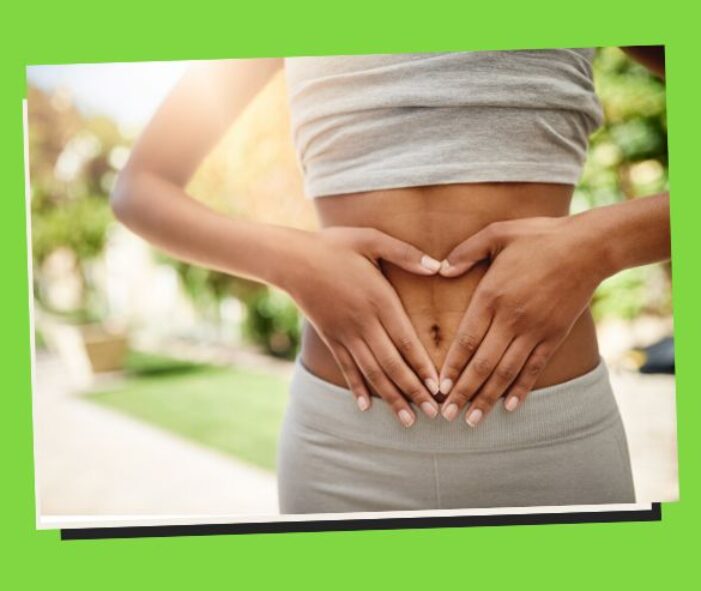
The gut is home to about 70% of the immune system, making it a central player in your body’s defense mechanisms. A healthy gut microbiome—a balanced community of microorganisms in your digestive tract—supports the immune system in several ways:
1. Barrier Function 🧱
Probiotics help maintain the integrity of the gut lining, preventing harmful pathogens from entering the bloodstream. A robust gut barrier protects against infections and inflammation, which are key to a strong immune system.
2. Immune Response Modulation ⚙️
Probiotics stimulate the production of antibodies and boost the activity of immune cells such as macrophages, T cells, and natural killer cells. This helps recognize and fight off pathogens more efficiently.
3. Reduction of Inflammation 🔥
Chronic inflammation can weaken the immune system. Probiotics produce anti-inflammatory compounds that help reduce inflammation in the gut and other body parts, thereby supporting overall immune health.
4. Balanced Microbiota 🌿
A healthy microbiome prevents the overgrowth of harmful bacteria by competing for nutrients and producing substances that inhibit pathogen growth. This balance is crucial for preventing infections and maintaining immune health.
The Science Behind Probiotics and Immunity 🔬📚
Research Highlights 📊
- Gut-Brain Axis: Studies have shown that probiotics can influence the gut-brain axis, impacting mental health and immune function. A balanced microbiome can reduce stress and anxiety, which are known to suppress immune function.
- Respiratory Infections: Research indicates that probiotics can reduce the incidence and duration of respiratory infections. A study published in the “Journal of Respiratory Medicine” found that regular consumption of probiotics decreased the number of upper respiratory tract infections.
- Allergy Prevention: Probiotics may help manage and prevent allergies. By modulating immune responses, they can reduce the severity of allergic reactions and promote tolerance to allergens.
- Vaccine Efficacy: Some studies suggest that probiotics can enhance the effectiveness of vaccines by improving the body’s immune response to the vaccine.
Mechanisms of Action 🛠️
Probiotics support the immune system through various mechanisms:
- Enhancing Gut Barrier Integrity: By strengthening the gut’s mucosal lining, probiotics prevent pathogens’ translocation into the bloodstream.
- Modulating Immune Responses: Probiotics can shift the immune response from a pro-inflammatory state to an anti-inflammatory state, aiding in the resolution of infections and reducing the risk of chronic inflammation.
- Competitive Exclusion: By occupying space and consuming nutrients, probiotics prevent harmful bacteria from colonizing the gut.
How to Incorporate Probiotics into Your Diet 🍽️
Incorporating probiotics into your diet can be simple and delicious. Here are some practical tips:
1. Eat Fermented Foods 🍶
Fermented foods are a natural source of probiotics. Include the following in your diet:
- Yogurt 🥄: Choose yogurt with live and active cultures. Avoid those with added sugars and artificial flavors.
- Kefir 🥛: A fermented milk drink that is rich in probiotics and beneficial for gut health.
- Sauerkraut and Kimchi 🥬: Fermented cabbage dishes that are packed with probiotics and vitamins.
- Miso Soup 🍲: Made from fermented soybeans, miso is a great source of probiotics.
- Kombucha 🍵: A fermented tea that provides probiotics and antioxidants.
2. Consider Probiotic Supplements 💊
Supplements can be a convenient option if you’re not getting enough probiotics from your diet. Look for:
- High CFU Count: CFU (colony-forming units) indicates the number of viable probiotics in a supplement. Aim for a supplement with at least 1 billion CFUs.
- Diverse Strains: A good supplement should contain a variety of probiotic strains to support different aspects of gut health.
- Quality Brands: Choose reputable, transparent brands about their ingredients and manufacturing processes.
3. Prebiotics and Probiotics Together 🥦
Prebiotics are non-digestible fibers that feed probiotics. Foods rich in prebiotics include:
- Bananas 🍌
- Garlic 🧄
- Onions 🧅
- Asparagus 🌿
- Oats 🌾
Including prebiotics and probiotics in your diet can enhance the effectiveness of the probiotics and support a healthy gut microbiome.
4. Timing Matters ⏰
For best results, take probiotic supplements with meals. Food helps protect the probiotics from stomach acid, increasing the likelihood that they will reach the gut alive.
Probiotic Myths and Facts 🧐
Myth 1: All Probiotics Are the Same.
Fact: Different strains of probiotics serve different purposes. It’s essential to choose the right strain for your specific health needs.
Myth 2: Probiotics Need to Be Refrigerated.
Fact: While some probiotics need refrigeration, many are shelf-stable. Always check the label for storage instructions.
Myth 3: Probiotics Work Instantly.
Fact: It can take several weeks of consistent use to notice the benefits of probiotics. Patience is key.
Myth 4: Probiotics Are Only for Digestive Health.
Fact: While they are great for digestion, probiotics also play a significant role in immune function, mental health, and skin health.
Practical Tips for Choosing Probiotic Supplements 🛒
When selecting probiotic supplements, consider the following tips:
1. Check the CFU Count 📊
A higher CFU count doesn’t always mean better. Look for supplements with a CFU count that is appropriate for your needs. For general health, 1-10 billion CFUs is usually sufficient.
2. Identify the Strains 🔍
Different strains offer different benefits. Research which strains are best for your specific health goals, such as Lactobacillus rhamnosus for immunity or Bifidobacterium bifidum for gut health.
3. Look for a Delivery System 🚚
Probiotics need to survive the journey through your digestive system to be effective. Look for supplements with a delivery system that protects the probiotics from stomach acid.
4. Read the Labels 📑
Choose supplements with clear labeling. Avoid products with unnecessary additives or fillers.
5. Consult a Healthcare Provider 👩⚕️
If you have health conditions or are taking medications, consult with a healthcare provider before starting a probiotic supplement.
Lifestyle Tips to Support Probiotic Health 🌟
1. Eat a Balanced Diet 🥗
A diet rich in fruits, vegetables, and whole grains provides the nutrients that probiotics need to thrive. Avoid processed foods and excess sugar, which can harm beneficial bacteria.
2. Stay Hydrated 💧
Drinking plenty of water supports overall health and helps maintain a healthy gut environment.
3. Manage Stress 🧘
Chronic stress can negatively impact your gut health. Incorporate stress-management techniques such as meditation, yoga, or deep breathing exercises into your daily routine.
4. Exercise Regularly 🏃
Physical activity promotes healthy digestion and a balanced microbiome. Aim for at least 30 minutes of moderate exercise most days of the week.
5. Avoid Antibiotic Overuse 🚫
Antibiotics can kill both harmful and beneficial bacteria. Use them only when prescribed by a healthcare provider and take the full course as directed.
Benefits of Probiotics for Immune Health 🛡️💪
- Boosts Immune Response 🦠🔋
Probiotics enhance the body’s immune response by stimulating the production of antibodies and activating immune cells, such as T-cells and macrophages, which are critical in defending against pathogens. - Reduces the Risk of Infections 🌡️❌
Regular consumption of probiotics helps lower the risk of infections, including respiratory and gastrointestinal illnesses, by preventing the growth of harmful bacteria and viruses. - Improves Gut Barrier Function 🏰🔒
Probiotics strengthen the gut barrier, which is essential in preventing harmful pathogens from entering the bloodstream and causing infections. - Balances Gut Microbiota ⚖️🌿
Probiotics help maintain a balanced gut microbiota, which is crucial for overall health, as an imbalance can lead to dysbiosis and a weakened immune system. - Reduces Inflammation 🔥🛑
Chronic inflammation is linked to various diseases. Probiotics help modulate the immune system, reducing inflammation and promoting a balanced immune response. - Enhances Nutrient Absorption 🍎🔄
Probiotics aid in the absorption of nutrients like vitamins and minerals, which are vital for a robust immune system. - Supports Allergy Prevention 🌸🚫
Probiotics can help reduce the severity of allergies by modulating the immune system and reducing hypersensitivity to allergens. - Improves Skin Health 🌟🛡️
The gut-skin axis highlights the relationship between gut health and skin conditions. Probiotics can improve skin health by reducing inflammation and preventing infections. - Boosts Mental Health 🧠💆♂️
Probiotics influence the gut-brain axis, potentially improving mood and reducing symptoms of anxiety and depression, which can positively impact immune function. - Aids in Autoimmune Disease Management ⚔️🔧
Probiotics can help manage autoimmune diseases by modulating the immune system and reducing inflammation, potentially alleviating symptoms and improving quality of life.
Case Studies Highlighting the Impact of Probiotics on Immune Health 📊🔍
- Case Study: Probiotics and Respiratory Infections in Children
A study conducted in Finland showed that children who consumed probiotics had a 30% lower incidence of respiratory infections compared to those who did not. This led to fewer missed school days and reduced the need for antibiotics. - Case Study: Probiotics in Elderly Patients
In a clinical trial involving elderly patients in the UK, daily probiotic supplementation resulted in a 40% reduction in gastrointestinal infections and improved overall immune function. - Case Study: Probiotics and Traveler’s Diarrhea
A study of travelers found that those who took probiotics before and during their trip had a 50% lower risk of developing traveler’s diarrhea, highlighting probiotics’ role in gut health and infection prevention. - Case Study: Probiotics and Autoimmune Disease
A case study on patients with rheumatoid arthritis revealed that probiotics helped reduce inflammation and pain, improving patients’ quality of life and demonstrating probiotics’ potential in managing autoimmune conditions. - Case Study: Probiotics and Allergic Rhinitis
A Japanese study found that individuals with allergic rhinitis who consumed probiotics experienced a significant reduction in symptoms and required less medication, showcasing probiotics’ role in modulating the immune response. - Case Study: Probiotics and Post-Surgical Infections
A trial involving surgical patients in Germany showed that those given probiotics before surgery had a lower incidence of postoperative infections, underscoring the importance of gut health in immune function. - Case Study: Probiotics and Childhood Eczema
In a New Zealand study, children with eczema who received probiotics saw a 50% improvement in symptoms, suggesting that probiotics can help manage skin conditions linked to immune dysfunction. - Case Study: Probiotics and Mental Health
A clinical study in the US found that individuals with anxiety who took probiotics experienced significant reductions in anxiety levels, illustrating the gut-brain axis and its impact on immune health. - Case Study: Probiotics and HIV/AIDS
Research conducted in South Africa found that probiotics helped improve the immune function of HIV-positive individuals, leading to fewer infections and better overall health. - Case Study: Probiotics and Weight Management
A study in Italy showed that overweight individuals who took probiotics experienced improved metabolic health and reduced inflammation, which is linked to a stronger immune system.
Key Takeaways from the Benefits of Probiotics 📝💡
- Probiotics play a crucial role in enhancing the immune response by supporting the production of immune cells and antibodies.
- Regular consumption of probiotics can reduce the risk of various infections, including respiratory and gastrointestinal illnesses.
- Probiotics strengthen the gut barrier, preventing harmful pathogens from entering the bloodstream and causing infections.
- Maintaining a balanced gut microbiota through probiotics is essential for overall health and immune function.
- Probiotics help modulate the immune system, reducing chronic inflammation and promoting a balanced immune response.
- They enhance the absorption of essential nutrients, which are vital for maintaining a robust immune system.
- Probiotics can reduce the severity of allergies by modulating the immune response and reducing hypersensitivity to allergens.
- They can improve skin health by reducing inflammation and preventing infections, showcasing the gut-skin axis.
- Probiotics influence the gut-brain axis, potentially improving mental health and enhancing immune function.
- Probiotics have the potential to help manage autoimmune diseases by modulating the immune system and reducing inflammation.
FAQs About Probiotics and Immune Health ❓🦠
1. What are probiotics?
Probiotics are live microorganisms, often called “good” bacteria, that provide health benefits when consumed, particularly for digestive and immune health.
2. How do probiotics help the immune system?
Probiotics enhance the immune system by balancing the gut microbiota, promoting the production of antibodies, and activating immune cells that fight off infections.
3. What are the best sources of probiotics?
Probiotics can be found in fermented foods like yogurt, kefir, sauerkraut, and kimchi, and in dietary supplements.
4. Can probiotics help with common colds?
Yes, some studies suggest that probiotics can reduce the incidence and severity of common colds by enhancing immune function.
5. How long does it take for probiotics to work?
The effects of probiotics can vary, but some people may notice improvements in digestive and immune health within a few days to weeks of regular consumption.
6. Are there any side effects of taking probiotics?
Most people tolerate probiotics well, but some may experience mild side effects like bloating or gas. These typically subside as the body adjusts.
7. Can I take probiotics every day?
Yes, daily probiotics are generally safe and can support ongoing digestive and immune health.
8. Do probiotics help with allergies?
Probiotics can help modulate the immune response and reduce the severity of allergies by promoting a balanced immune system.
9. Can probiotics be harmful to anyone?
Probiotics are generally safe for most people, but individuals with compromised immune systems or serious health conditions should consult a healthcare provider before starting supplementation.
10. What’s the difference between prebiotics and probiotics?
Probiotics are live beneficial bacteria, while prebiotics are non-digestible fibers that feed these beneficial bacteria and support their growth.
Conclusion: Embrace the Power of Probiotics 🌟🦠
Probiotics are a potent ally in your quest for better immune health. Maintaining a healthy balance of gut bacteria can support your immune system, improve digestion, and enhance overall well-being. Incorporate probiotic-rich foods into your diet, consider supplements if needed, and adopt lifestyle habits that promote a healthy microbiome. With these steps, you can harness the power of probiotics to strengthen your immune system and enjoy a healthier life. 🌟🦠💪
Have you experienced the benefits of probiotics? Share your stories and tips in the comments below! 💬📝
Resources
- Harvard Health: Probiotics and prebiotics: What you should know
- National Institutes of Health: Probiotics: What You Need To Know
- Mayo Clinic: Probiotics: What is it, benefits, side effects, food & types
Stay healthy, stay strong, and keep those good bacteria thriving! 🌱💪🦠
Key Phrases
- Probiotics and immune system
- Boost immunity with probiotics
- Role of probiotics in immune health
- Immune benefits of probiotics
- Probiotics for stronger immunity
- Probiotics and immunity
- Strengthen immune system with probiotics
- Probiotics for immune support
- Probiotics for immune health
- Probiotics and immune defense
Best Hashtags
- #Probiotics
- #ImmuneHealth
- #BoostYourImmunity
- #HealthyGut
- #WellnessTips
- #ImmunityBoost
- #NaturalHealth
- #GutHealth
- #ProbioticBenefits
- #StrongerImmunity
Save/Share this post with QR CODE
Disclaimer
The information provided in this article is for educational and informational purposes only and is not intended to substitute professional medical advice, diagnosis, or treatment. Always seek the advice of your physician or qualified health provider with any questions you may have regarding a medical condition or wellness program.
Work with Us
If you have collaboration ideas, comments, suggestions, reviews, or need website care support services, feel free to visit our Work with Us page anytime.
We appreciate your reading. 😊Simple Ways To Say Thanks & Support Us:
1.) ❤️GIVE A TIP. Send a small donation thru Paypal😊❤️
Your DONATION will be used to fund and maintain NursingWellness.com
Subscribers in the Philippines can make donations to mobile number 0917 906 3081, thru GCash.
3.) 🛒 BUY or SIGN UP to our AFFILIATE PARTNERS.
4.) 👍 Give this news article a THUMBS UP, and Leave a Comment (at Least Five Words).
AFFILIATE PARTNERS

World Class Nutritional Supplements - Buy Highest Quality Products, Purest Most Healthy Ingredients, Direct to your Door! Up to 90% OFF.
Join LiveGood Today - A company created to satisfy the world's most demanding leaders and entrepreneurs, with the best compensation plan today.