
Why Regular Exercise is Essential for Your Well-being
Transform your body and mind with the power of regular exercise. Learn the amazing health benefits you can’t afford to miss.
The Benefits of Regular Exercise: Transform Your Life Today! 💪
In our fast-paced, technology-driven world, it’s easy to neglect physical activity. However, regular exercise is not just about staying fit—it’s a cornerstone of a healthy and fulfilling life. From boosting mental health to improving physical fitness, the benefits of regular exercise are profound and far-reaching. This article will delve into the myriad advantages of maintaining a consistent exercise routine, offering practical tips to help you get started and stay motivated.
1. Physical Health Benefits 🌟
Improved Cardiovascular Health ❤️
Regular exercise strengthens the heart, improving its efficiency and reducing the risk of cardiovascular diseases. Engaging in activities like running, cycling, and swimming helps:
- Lower blood pressure
- Increase good cholesterol (HDL)
- Decrease bad cholesterol (LDL)
- Improve blood circulation
Weight Management ⚖️
Exercise plays a crucial role in weight management. By burning calories, it helps you maintain a healthy weight or shed excess pounds. Combining exercise with a balanced diet can prevent obesity, which is linked to numerous health issues such as diabetes, hypertension, and certain cancers.
Enhanced Muscular Strength and Endurance 🏋️♂️
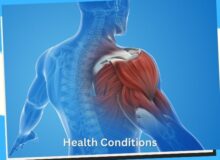
Strength training exercises like weightlifting, resistance band workouts, and bodyweight exercises (e.g., push-ups, squats) build muscle mass and increase endurance. Stronger muscles enhance physical performance, reduce the risk of injury, and support daily activities.
Better Bone Health 🦴
Weight-bearing exercises, such as walking, jogging, and resistance training, are beneficial for bone health. These activities stimulate bone formation and help prevent osteoporosis, a condition characterized by weak and brittle bones.
Improved Flexibility and Balance 🧘♀️
Activities like yoga, Pilates, and stretching exercises improve flexibility and balance, reducing the risk of falls and injuries. Enhanced flexibility also alleviates muscle stiffness and joint pain.
2. Mental Health Benefits 🧠
Stress Reduction 🌿
Exercise is a natural stress reliever. Physical activity increases the production of endorphins—chemicals in the brain that act as natural painkillers and mood elevators. Activities like jogging, swimming, or even a brisk walk can help alleviate stress and anxiety.
Enhanced Mood 😊
Regular physical activity can significantly improve your mood. It helps reduce symptoms of depression and anxiety by promoting changes in the brain, including neural growth and reduced inflammation. Exercise also releases endorphins, which make you feel happier and more relaxed.
Better Sleep 💤
Struggling with insomnia or poor sleep quality? Exercise can help. Physical activity increases the time spent in deep sleep, the most physically restorative sleep phase. It also helps regulate your circadian rhythm, promoting a consistent sleep schedule.
Improved Cognitive Function 🧩
Regular exercise is beneficial for the brain. It enhances memory, cognitive function, and learning capabilities. Physical activity stimulates the release of growth factors that aid in the formation of new neural connections, improving overall brain health.
Boosted Self-Esteem and Confidence 🌟
Achieving fitness goals, no matter how small, can significantly boost your self-esteem and confidence. Exercise empowers you to take control of your body, improving your self-image and mental well-being.
3. Social Benefits 👥
Building Connections and Friendships 👫
Group exercise classes, sports teams, and fitness clubs provide excellent opportunities to meet new people and build friendships. Social interactions during exercise can enhance your sense of community and belonging.
Enhanced Teamwork and Cooperation 🤝
Participating in team sports or group activities fosters teamwork and cooperation. It helps develop communication skills, leadership qualities, and the ability to work effectively with others towards a common goal.
Family Bonding Time 👨👩👧👦
Exercise can be a fun family activity. Going for a hike, biking, or playing sports together strengthens family bonds and promotes a healthy lifestyle for everyone.
4. Long-term Health Benefits 🌿
Reduced Risk of Chronic Diseases 🚫
Regular physical activity lowers the risk of chronic diseases such as:
- Type 2 diabetes
- Hypertension
- Heart disease
- Stroke
- Certain types of cancer
Increased Longevity 🎉
Studies have shown that regular exercise can extend life expectancy by reducing the risk of premature death. Active individuals tend to live longer, healthier lives compared to their sedentary counterparts.
Enhanced Quality of Life 🌞
Exercise improves overall quality of life. It enhances physical, mental, and social well-being, enabling you to enjoy life to the fullest. Active individuals experience fewer health issues, more energy, and a greater sense of happiness and fulfillment.
5. Practical Tips for Getting Started 🏁
Set Realistic Goals 🎯
Start with achievable goals to build confidence and prevent burnout. Whether it’s walking for 30 minutes a day or completing a 5K run, setting and reaching small goals will keep you motivated.
Find an Activity You Enjoy 🎾
Exercise shouldn’t feel like a chore. Find activities you enjoy, whether it’s dancing, swimming, hiking, or playing a sport. The more you enjoy the activity, the more likely you are to stick with it.
Create a Routine 📅
Consistency is key. Schedule your workouts like any other important appointment. Aim for at least 150 minutes of moderate aerobic activity or 75 minutes of vigorous activity per week, combined with strength training exercises twice a week.
Start Slow and Progress Gradually 🐢
If you’re new to exercise, start slow and gradually increase the intensity and duration of your workouts. This approach minimizes the risk of injury and makes the habit more sustainable.
Mix It Up 🔄
Variety is essential to prevent boredom and plateaus. Mix up your workouts by incorporating different types of exercises, such as cardio, strength training, and flexibility exercises. This approach keeps your routine exciting and challenging.
Stay Hydrated and Eat Well 🥗
Proper nutrition and hydration are crucial for optimal performance and recovery. Drink plenty of water and fuel your body with a balanced diet rich in fruits, vegetables, lean proteins, and whole grains.
Listen to Your Body 🧘♂️
Pay attention to your body’s signals. If you feel pain or extreme fatigue, take a break or adjust your routine. Rest and recovery are just as important as the workouts themselves.
Seek Professional Guidance 🧑🏫
If you’re unsure where to start or how to progress, consider seeking advice from a fitness professional. Personal trainers, physical therapists, and fitness instructors can provide personalized guidance and support.
6. Staying Motivated 🚀
Track Your Progress 📈
Keep a journal or use a fitness app to track your workouts, progress, and achievements. Seeing your improvements over time can be incredibly motivating.
Reward Yourself 🎁
Celebrate your milestones, no matter how small. Treat yourself to a new workout outfit, a relaxing massage, or a fun outing to reward your hard work and dedication.
Find a Workout Buddy 🤸♂️
Exercising with a friend can make workouts more enjoyable and keep you accountable. A workout buddy provides support, encouragement, and a healthy dose of competition.
Join a Fitness Community 🌐
Online fitness communities and social media groups can offer support, inspiration, and motivation. Sharing your journey with others and participating in challenges can keep you engaged and motivated.
Keep It Fun and Exciting 🎉
Remember to have fun! Try new activities, set exciting goals, and keep your workouts fresh. The more enjoyable your fitness routine, the more likely you are to stick with it long-term.
Benefits of Regular Exercise 🌟
1. Improved Mental Health 🧠
Exercise is a powerful tool for combating mental health issues such as depression and anxiety. Physical activity increases the production of endorphins, which are natural mood lifters. It also helps reduce stress and improves sleep patterns, contributing to overall mental well-being.
2. Enhanced Cardiovascular Health ❤️
Regular exercise strengthens the heart and improves circulation. It helps lower blood pressure, reduces bad cholesterol levels, and increases good cholesterol. These changes reduce the risk of heart disease, stroke, and other cardiovascular problems.
3. Weight Management ⚖️
Exercise plays a crucial role in weight management. It helps burn calories, build muscle, and reduce body fat. Consistent physical activity, combined with a healthy diet, is essential for maintaining a healthy weight and preventing obesity.
4. Increased Strength and Stamina 💪
Engaging in regular exercise builds muscle strength and endurance. Activities like weightlifting, resistance training, and high-intensity interval training (HIIT) improve muscle tone and overall physical performance.
5. Better Bone Health 🦴
Weight-bearing exercises such as walking, running, and strength training help improve bone density and reduce the risk of osteoporosis. Regular physical activity is essential for maintaining strong and healthy bones, especially as we age.
6. Enhanced Flexibility and Mobility 🤸♂️
Exercises that focus on flexibility, such as yoga and Pilates, improve joint range of motion and reduce the risk of injuries. Maintaining flexibility is crucial for overall mobility and quality of life.
7. Boosted Immune System 🛡️
Regular physical activity has been shown to enhance the immune system’s ability to fight off infections. Moderate exercise can help flush bacteria out of the lungs and airways, increase circulation of white blood cells, and reduce stress hormones that can negatively affect immunity.
8. Improved Digestive Health 🍎
Exercise can aid in digestion and prevent digestive problems like constipation. Physical activity increases the contraction of intestinal muscles, helping move food through the digestive system more efficiently.
9. Enhanced Cognitive Function 🧩
Regular exercise has been linked to improved cognitive function and a reduced risk of cognitive decline as we age. Physical activity increases blood flow to the brain, promoting the growth of new brain cells and improving memory and learning capabilities.
10. Better Sleep Quality 💤
Physical activity helps regulate sleep patterns and improves the quality of sleep. Exercise can help you fall asleep faster and enjoy deeper, more restful sleep by reducing anxiety and promoting relaxation.
Case Studies 📊
1. Sarah’s Journey to Mental Wellness
Sarah struggled with depression for years. She started a routine of daily walks and yoga sessions. Over time, she noticed a significant improvement in her mood and energy levels, reducing her reliance on medication.
2. John’s Cardiovascular Health Overhaul
John, a 45-year-old with high blood pressure, began a regimen of cardio exercises and weight training. Within six months, his blood pressure normalized, and he significantly reduced his risk of heart disease.
3. Emma’s Weight Loss Success
Emma was overweight and faced several health issues. She incorporated a mix of aerobic exercises and strength training into her routine, along with a balanced diet. She lost 50 pounds in a year and improved her overall health.
4. Mike’s Muscle Gain and Strength Increase
Mike, a skinny teenager, wanted to build muscle. He followed a structured weightlifting program and a high-protein diet. After a year, he gained 20 pounds of muscle and significantly increased his strength.
5. Linda’s Bone Health Maintenance
Linda, in her 60s, was concerned about osteoporosis. She started a routine of weight-bearing exercises. Her bone density tests improved, and she felt more energetic and less prone to injuries.
6. Jake’s Flexibility Improvement
Jake, a desk worker, had poor posture and back pain. He started doing yoga and stretching exercises regularly. His flexibility improved, and his back pain decreased, allowing him to work more comfortably.
7. Sophia’s Enhanced Immunity
Sophia, a frequent cold sufferer, began jogging and doing moderate-intensity workouts. Over a year, she noticed she got sick less often and felt more robust overall.
8. Mark’s Digestive Health Transformation
Mark had chronic digestive issues. He started a routine of light aerobic exercises and improved his diet. His digestion improved, and he no longer experienced regular discomfort.
9. Nina’s Cognitive Boost
Nina, a senior, wanted to stay sharp. She included aerobic exercises and brain-stimulating activities in her routine. She felt more mentally agile and noticed an improvement in her memory.
10. Tom’s Sleep Quality Improvement
Tom struggled with insomnia. He started exercising regularly, including a mix of cardio and strength training. His sleep quality improved significantly, and he felt more rested and productive during the day.
Key Takeaways 🗝️
- Consistency is Key: Regular exercise, not sporadic activity, provides the most significant health benefits.
- Variety Matters: Incorporating different types of exercise can address multiple aspects of health, from strength to flexibility.
- Mental Health Benefits: Exercise is as important for mental health as it is for physical health.
- Heart Health: Cardiovascular exercises are essential for maintaining a healthy heart and circulatory system.
- Weight Management: Exercise helps control weight and prevent obesity-related diseases.
- Strength and Endurance: Building muscle through exercise enhances overall physical performance and resilience.
- Bone Density: Weight-bearing exercises are crucial for maintaining strong bones.
- Flexibility and Mobility: Regular stretching and flexibility exercises improve movement and reduce injury risk.
- Immune System Boost: Moderate exercise enhances immune function and reduces susceptibility to illness.
- Better Sleep: Regular physical activity promotes better sleep quality and overall restfulness.
Frequently Asked Questions (FAQ) ❓
1. How often should I exercise to see benefits?
Aim for at least 150 minutes of moderate aerobic activity or 75 minutes of vigorous activity per week, combined with muscle-strengthening exercises on two or more days a week.
2. What types of exercise are best for overall health?
A mix of aerobic (cardio), strength training, and flexibility exercises provides comprehensive health benefits.
3. Can I benefit from exercise even if I start later in life?
Absolutely. Exercise benefits people of all ages. Starting later in life can still improve cardiovascular health, muscle strength, and cognitive function.
4. How can I stay motivated to exercise regularly?
Set realistic goals, find activities you enjoy, mix up your routine, and consider working out with a friend or joining a class to stay motivated.
5. Is it okay to exercise every day?
Yes, but it’s important to vary your workouts and include rest days for recovery, especially if you’re doing high-intensity exercises.
6. Can exercise help with chronic conditions?
Exercise can help manage and improve symptoms of chronic conditions such as diabetes, arthritis, and heart disease. Always consult a doctor before starting a new exercise regimen.
7. What if I don’t have time for long workouts?
Shorter, more intense workouts like HIIT can be very effective. Even small amounts of physical activity spread throughout the day can add up and provide health benefits.
8. How does exercise improve mental health?
Exercise boosts endorphins, reduces stress hormones, and promotes relaxation, all of which contribute to better mental health.
9. What should I eat before and after a workout?
Before: A mix of carbs and protein (e.g., a banana with peanut butter). After: Protein-rich foods to aid muscle recovery (e.g., a protein shake or chicken breast).
10. How do I prevent injuries while exercising?
Warm up before exercising, use proper technique, don’t overdo it, and listen to your body. Cooling down and stretching post-workout also helps prevent injuries.
Conclusion: Embrace the Benefits of Exercise Today! 🌟
Regular exercise is a powerful tool for improving your physical health, mental well-being, and overall quality of life. By incorporating physical activity into your daily routine, you can reap the numerous benefits it offers. Start small, stay consistent, and find joy in the journey. Your body and mind will thank you for it! So, lace up those sneakers, get moving, and transform your life through the incredible power of exercise. 🌈
Key Phrases
- Benefits of regular exercise
- Health benefits of exercise
- Importance of regular physical activity
- Exercise and mental health
- Regular workouts for better health
- Exercise for weight loss
- Physical activity benefits
- Exercise and well-being
- Science of regular exercise
- Exercise and happiness
Best Hashtags
- #ExerciseBenefits
- #HealthyLiving
- #FitnessJourney
- #MentalHealthMatters
- #StayActive
- #WellnessWarrior
- #HealthyHabits
- #FitLife
- #ExerciseDaily
- #ActiveLifestyle
Save/Share this post with QR CODE
Disclaimer
The information provided in this article is for educational and informational purposes only and is not intended to substitute professional medical advice, diagnosis, or treatment. Always seek the advice of your physician or qualified health provider with any questions you may have regarding a medical condition or wellness program.
Work with Us
If you have collaboration ideas, comments, suggestions, reviews, or need website care support services, feel free to visit our Work with Us page anytime.
We appreciate your reading. 😊Simple Ways To Say Thanks & Support Us:
1.) ❤️GIVE A TIP. Send a small donation thru Paypal😊❤️
Your DONATION will be used to fund and maintain NursingWellness.com
Subscribers in the Philippines can make donations to mobile number 0917 906 3081, thru GCash.
3.) 🛒 BUY or SIGN UP to our AFFILIATE PARTNERS.
4.) 👍 Give this news article a THUMBS UP, and Leave a Comment (at Least Five Words).
AFFILIATE PARTNERS

World Class Nutritional Supplements - Buy Highest Quality Products, Purest Most Healthy Ingredients, Direct to your Door! Up to 90% OFF.
Join LiveGood Today - A company created to satisfy the world's most demanding leaders and entrepreneurs, with the best compensation plan today.