Understanding the Risks and Benefits of Back Pain Medications
Back pain can be debilitating, but the right medications can make a world of difference. Discover the best pain relief options and learn how to manage your condition effectively.
Advanced Medications for Back Pain Treatment
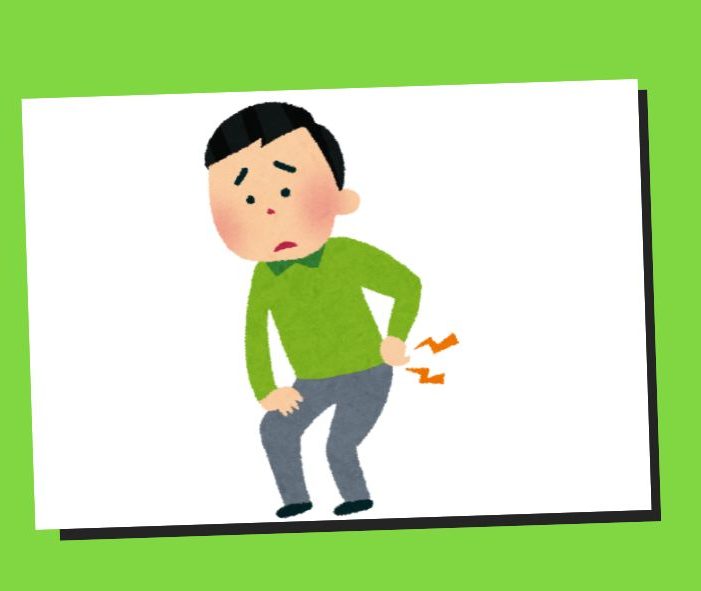
Back pain is one of the most common health issues affecting people worldwide. Whether it’s due to poor posture, a herniated disc, or overuse of muscles, back pain can significantly impact a person’s quality of life. Fortunately, with the advancement of modern medicine, a wide variety of medications and treatment options are available to help manage this pain. From over-the-counter analgesics to stronger prescription medications, the options for managing back pain are vast, but not all treatments are created equal. The key is to work closely with a healthcare provider to determine the best course of action, depending on the individual’s condition and symptoms.
In this article, we will explore the advanced medications available for back pain treatment, discussing their benefits, risks, and potential side effects. We will also look at how these medications work, helping you understand the best options available for your situation.
Benefits of Advanced Medications for Back Pain Treatment
- Pain Relief
The most immediate benefit of medications for back pain is pain relief. Whether it’s through the anti-inflammatory effects of NSAIDs or the stronger painkillers like opioids, medications can provide significant relief from persistent or acute pain. - Improved Mobility
By reducing pain and inflammation, back pain medications help improve mobility, allowing patients to perform daily activities with greater ease and comfort. - Targeted Treatment
Some medications, such as muscle relaxants or anti-inflammatory drugs, are specifically designed to target the underlying causes of back pain, such as inflammation or muscle spasms. - Chronic Pain Management
Medications like acetaminophen or opioids can help manage chronic pain, allowing individuals with long-term back pain to live relatively normal lives. - Faster Recovery
For patients recovering from back surgery or an injury, medications like NSAIDs can speed up recovery by reducing inflammation and swelling, which can hinder the healing process. - Reduced Muscle Tension
Muscle relaxants help reduce muscle spasms, providing relief from the discomfort caused by muscle tightness or spasm in the back. - Reduced Inflammation
NSAIDs and COX-2 inhibitors are particularly effective in reducing inflammation, which can be a major cause of back pain in conditions like arthritis or disc problems. - Long-Term Pain Management
In cases where back pain is persistent and chronic, medications can help manage pain over a long period of time, improving quality of life. - Prevention of Further Damage
Properly prescribed medications can prevent further deterioration of the spine or muscles by controlling inflammation and promoting healing. - Non-Invasive Option
Medications provide a non-invasive option for treating back pain compared to surgical procedures, making them an attractive choice for many patients.
Pros and Cons of Advanced Medications for Back Pain
Pros:
- Effective Pain Relief
Medications like opioids and NSAIDs provide quick and effective relief for acute pain, improving the patient’s comfort and ability to function. - Customizable Treatment Plans
Doctors can adjust medication dosages and types to suit the individual needs of the patient, ensuring the best possible results. - Variety of Options
There are many different types of medications available, allowing patients and doctors to find the one that works best for their specific condition. - Availability of Over-the-Counter Options
Medications like acetaminophen and ibuprofen are readily available without a prescription, making them accessible for most people. - Effective for Severe Cases
Stronger medications like opioids and muscle relaxants can provide necessary relief for severe back pain that doesn’t respond to other treatments. - Non-Surgical Option
Medications offer a non-invasive alternative to surgery, which many people want to avoid if possible. - Prevention of Recurrence
Regular use of certain medications can prevent the recurrence of back pain, especially in patients with chronic conditions like arthritis. - Quick Onset of Action
Many medications, particularly analgesics, work quickly, providing fast relief for people experiencing acute pain. - Improvement in Sleep
By relieving pain, many back pain medications can help improve sleep quality, which is often disrupted by discomfort. - Targeted Relief for Muscle Spasms
Muscle relaxants can target the root cause of pain from muscle spasms, providing more targeted relief compared to general painkillers.
Cons:
- Side Effects
Common side effects of pain medications, especially opioids, can include nausea, dizziness, constipation, and fatigue, making them uncomfortable for some patients. - Addiction Potential
Opioids carry a high risk of addiction and misuse, which is why they are generally prescribed only for short-term use in severe cases. - Tolerance Development
Over time, patients may develop a tolerance to certain medications, particularly opioids, meaning they may need higher doses to achieve the same effect. - Gastrointestinal Issues
NSAIDs can cause gastrointestinal problems, including ulcers, bleeding, and irritation, especially with long-term use. - Limited Long-Term Use
Some medications, like opioids or muscle relaxants, are not suitable for long-term use due to side effects or the potential for addiction. - Drug Interactions
Many medications interact with other drugs, making it important to consult with a healthcare provider before starting any new treatment. - Expense
Some advanced medications, especially newer drugs or prescription-only options, can be expensive, particularly for individuals without insurance. - Short-Term Relief
While medications provide quick relief, they often do not address the underlying causes of back pain, such as muscle imbalances or spinal misalignments. - Risk of Overuse
Over-reliance on medications can mask underlying issues and delay more effective treatments, such as physical therapy or lifestyle changes. - Not Suitable for Everyone
Some medications may not be appropriate for individuals with certain health conditions, such as kidney disease or heart problems.
Case Studies of Advanced Medications for Back Pain Treatment
- Case Study 1: NSAID Use in Osteoarthritis
A 60-year-old woman with osteoarthritis in her lower back experienced significant relief from pain and swelling after using NSAIDs like ibuprofen for a few weeks. Her mobility improved, and she was able to return to light exercise. - Case Study 2: Opioid Use for Acute Injury
A 30-year-old man with a severe herniated disc was prescribed opioids for short-term relief after surgery. He was able to manage pain during recovery, but his doctor gradually reduced the dosage to prevent dependency. - Case Study 3: Acetaminophen for Chronic Back Pain
A 45-year-old office worker with chronic lower back pain found relief from daily discomfort using acetaminophen (Tylenol®), helping her get through the day without relying on stronger medications. - Case Study 4: Muscle Relaxants for Spinal Muscle Spasms
A 50-year-old man suffering from frequent muscle spasms in his back was prescribed methocarbamol (Robaxin®), which significantly reduced muscle tension and allowed him to move more freely. - Case Study 5: COX-2 Inhibitors for Long-Term Relief
A 70-year-old woman with arthritis in her spine used a COX-2 inhibitor, which offered long-term pain relief without the gastrointestinal side effects commonly associated with traditional NSAIDs. - Case Study 6: Alternative Pain Relief with Non-Opioid Medications
A 55-year-old man used a combination of acetaminophen and topical NSAID gels for ongoing back pain management, avoiding opioids altogether while maintaining adequate pain relief. - Case Study 7: Combination Therapy for Sciatica
A 40-year-old woman suffering from sciatica used a combination of opioid pain relievers and muscle relaxants under a doctor’s supervision, which effectively managed her acute pain flare-ups. - Case Study 8: Post-Surgical Pain Relief
A 60-year-old patient recovering from back surgery used NSAIDs and muscle relaxants for post-operative pain relief, allowing him to return to daily activities sooner. - Case Study 9: Topical Pain Relief for Lower Back Strain
A 35-year-old man with a strained lower back found relief using topical NSAID treatments, which provided localized pain relief without the need for oral medications. - Case Study 10: Long-Term Management with Physical Therapy and Medications
A 55-year-old woman with chronic lower back pain successfully managed her condition using a combination of acetaminophen and regular physical therapy sessions, leading to long-term relief without dependency on medications.
Key Takeaways
- There are many types of medications available for back pain, each designed to target specific symptoms or causes.
- NSAIDs are commonly used for inflammation and pain relief, but they can cause gastrointestinal side effects.
- Opioids are effective for acute pain but carry a risk of addiction and should be used sparingly.
- Acetaminophen is a safer alternative for mild to moderate pain but may not be effective for severe cases.
- Muscle relaxants can reduce muscle spasms and tension, but should be used under strict medical supervision.
- Newer medications, such as COX-2 inhibitors, offer pain relief without the gastrointestinal risks of traditional NSAIDs.
- Medication alone may not be enough to treat chronic back pain and should be combined with physical therapy and lifestyle changes.
- Pain relief medications should be taken as prescribed to avoid side effects and addiction.
- Non-invasive options like topical treatments and acetaminophen can be effective for managing mild to moderate back pain.
- Always consult with a healthcare provider before starting any new treatment to ensure it is safe and effective for your condition.
Frequently Asked Questions (FAQs)
- What is the best medication for back pain?
The best medication depends on the cause and severity of the pain. NSAIDs, acetaminophen, and muscle relaxants are commonly used for various back pain conditions. - Can opioids be used for back pain?
Opioids can be used for severe, acute pain, but they are not recommended for long-term use due to the risk of addiction. - Are muscle relaxants safe for back pain?
Muscle relaxants are generally safe when used under the guidance of a doctor but may cause drowsiness and other side effects. - What is the difference between NSAIDs and COX-2 inhibitors?
COX-2 inhibitors are a newer class of NSAIDs designed to reduce pain and inflammation with fewer gastrointestinal side effects. - Can back pain medications have long-term side effects?
Some medications, especially opioids and NSAIDs, can cause long-term side effects such as kidney damage or gastrointestinal issues if used excessively. - Is physical therapy necessary for back pain treatment?
Physical therapy is often recommended in combination with medications for long-term back pain management and prevention of future injuries. - How long should I take back pain medications?
Medications should be taken as prescribed by your doctor, and their use should be regularly reviewed to ensure they remain effective and safe. - Are there non-prescription medications for back pain?
Yes, over-the-counter medications like acetaminophen and ibuprofen can be effective for mild to moderate back pain. - What are the risks of taking NSAIDs for back pain?
Long-term use of NSAIDs can lead to gastrointestinal issues, kidney damage, and increased risk of cardiovascular problems. - Can I use alternative therapies alongside medications?
Yes, many patients find success using a combination of medications, physical therapy, and alternative treatments like acupuncture or chiropractic care.
Conclusion
Advanced medications for back pain offer a wide range of options for patients suffering from chronic or acute discomfort. While these medications can provide much-needed relief, they come with risks and side effects that must be carefully considered. Always consult a healthcare provider to tailor a treatment plan that suits your needs and minimizes potential complications. Combining medications with lifestyle changes and physical therapy often provides the best outcomes for long-term back pain management.
Link Resources
- Comprehensive Guide to Back Pain Relief
- NSAIDs (Nonsteroidal Anti-Inflammatory Drugs): Uses
- What are opioids and why are they dangerous?
- Side Effects and Risks of Muscle Relaxers
- What is Acetaminophen: Function, Dosage, and Examples
Key Phrases
- back pain medication options
- NSAIDs for back pain relief
- opioid alternatives for pain
- muscle relaxants for muscle spasms
- acetaminophen for chronic pain
- advanced back pain treatments
- opioid pain relief side effects
- muscle relaxants side effects
- back pain medication risks
- natural remedies for back pain
Best Hashtags
- #BackPainRelief
- #PainManagement
- #MuscleRelaxants
- #ChronicPainTreatment
- #BackPain
- #PainRelief
- #NSAIDs
- #OpioidAlternatives
- #PainMedication
- #SpinalHealth
Save/Share this post with QR CODE
Disclaimer
The information provided in this article is for educational and informational purposes only and is not intended to substitute professional medical advice, diagnosis, or treatment. Always seek the advice of your physician or qualified health provider with any questions you may have regarding a medical condition or wellness program.
Work with Us
If you have collaboration ideas, comments, suggestions, reviews, or need website care support services, feel free to visit our Work with Us page anytime.
We appreciate your reading. 😊Simple Ways To Say Thanks & Support Us:
1.) ❤️GIVE A TIP. Send a small donation thru Paypal😊❤️
Your DONATION will be used to fund and maintain NursingWellness.com
Subscribers in the Philippines can make donations to mobile number 0917 906 3081, thru GCash.
3.) 🛒 BUY or SIGN UP to our AFFILIATE PARTNERS.
4.) 👍 Give this news article a THUMBS UP, and Leave a Comment (at Least Five Words).
AFFILIATE PARTNERS

World Class Nutritional Supplements - Buy Highest Quality Products, Purest Most Healthy Ingredients, Direct to your Door! Up to 90% OFF.
Join LiveGood Today - A company created to satisfy the world's most demanding leaders and entrepreneurs, with the best compensation plan today.