Behind the Strain: The Most Common Causes of Upper Back Pain and How to Fix Them
Is your posture causing permanent damage? Discover the primary causes of upper back pain, from muscle strain to disc issues, and learn 10 actionable steps for immediate relief.
Causes of Upper Back Pain: Understanding Your Thoracic Spine 🦴
The Anatomy of the Upper Back
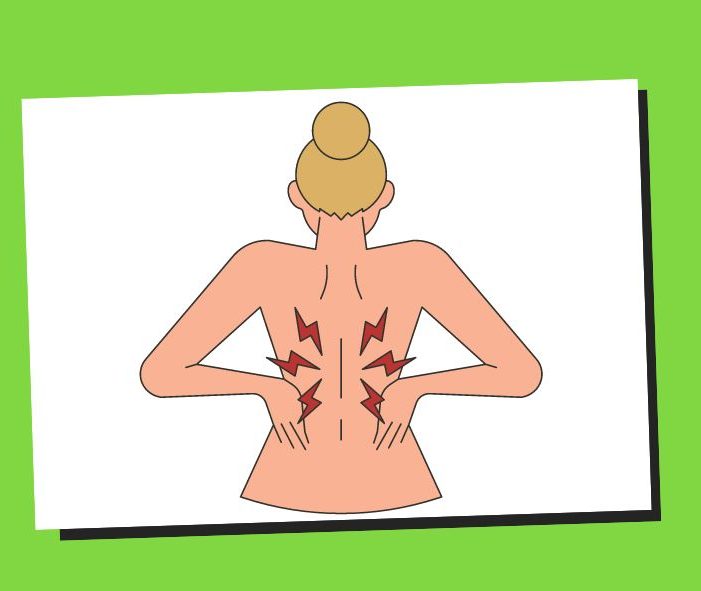
Upper back pain, clinically referred to as thoracic spine pain, occurs anywhere between the base of the neck and the bottom of the rib cage. Unlike the lower back (lumbar spine) and the neck (cervical spine), the thoracic spine is designed for stability rather than mobility. It is attached to the rib cage, which protects vital organs like the heart and lungs.
Because this area is so rigid, pain here is often more related to muscle irritation or joint dysfunction than to disc herniations commonly seen in the lower back. However, when pain does occur, it can be sharp, burning, or a dull ache that radiates toward the arms, chest, or further down the back. Understanding the root causes is the first step toward a pain-free life.
1. Postural Strain and “Tech Neck”
In the modern era, the single most common cause of upper back pain is poor posture. Many people spend hours each day leaning forward to look at smartphones or hunching over computer keyboards. This “forward head posture” places an immense amount of stress on the muscles supporting the neck and upper back.
When the head leans forward, the muscles in the upper back must work overtime to counteract gravity. Over time, this leads to muscle fatigue, chronic tension, and the development of painful “trigger points” or muscle knots around the shoulder blades.
2. Muscular Overuse and Strain
Repetitive motions or sudden, heavy lifting can lead to muscle strains. This is common in individuals who perform overhead activities, such as painters, swimmers, or people lifting heavy boxes during a move. The large muscles of the upper back, including the trapezius and rhomboids, can develop micro-tears, leading to inflammation and localized pain.
3. Joint Dysfunction
The thoracic spine contains many joints, including the facet joints that connect the vertebrae and the costovertebral joints where the ribs attach to the spine. If these joints become “locked” or inflamed due to injury or osteoarthritis, it can cause significant discomfort, especially when taking a deep breath or twisting the torso.
10 Profound Benefits of Addressing Upper Back Pain
- Increased Mobility: Resolving stiffness allows for a full range of motion in the shoulders and neck.
- Improved Respiratory Function: Reducing tension in the rib cage area allows for deeper, more efficient breathing.
- Enhanced Energy Levels: The body spends less energy fighting chronic pain and maintaining poor postural compensations.
- Better Sleep Quality: Eliminating the “dull ache” makes it easier to find a comfortable sleeping position and stay asleep.
- Reduced Headache Frequency: Many tension headaches actually originate from tightness in the upper back and neck muscles.
- Better Athletic Performance: A functional thoracic spine is crucial for rotational power in sports like golf, tennis, and swimming.
- Heightened Focus: Reducing chronic pain signals allows the brain to concentrate more effectively on daily tasks.
- Prevention of Future Injury: Addressing imbalances now prevents the development of chronic conditions or lower back compensations.
- Improved Digestion: Some research suggests that better spinal alignment can reduce pressure on the nerves governing digestive organs.
- Positive Self-Image: Standing tall with a healthy spine projects confidence and improves overall mood.
Pros and Cons of Common Treatment Approaches
Pros of Treatment
- Physical Therapy: Provides long-term solutions by strengthening weak muscles and stretching tight ones.
- Ergonomic Adjustments: A simple workstation change can eliminate the root cause of pain for many office workers.
- Massage Therapy: Effective at breaking up stubborn muscle knots and increasing localized blood flow.
- Chiropractic Care: Can restore joint mobility in the thoracic vertebrae through targeted adjustments.
- Yoga and Pilates: Build core strength and spinal flexibility simultaneously.
- Non-Invasive: Most upper back issues can be resolved without surgery or injections.
- Inexpensive Solutions: Many stretches and exercises can be performed at home for free.
- Stress Reduction: Practices like dry needling or heat therapy provide immediate relaxation.
- Educational Value: Learning about your back empowers you to maintain your own health.
- Customizable: Treatments can be tailored to your specific activity level and pain intensity.
Cons of Treatment
- Time Commitment: Physical therapy and posture correction require weeks or months of consistent effort.
- Medication Side Effects: NSAIDs can cause stomach irritation if used frequently for pain management.
- Temporary Relief: Some treatments, like massage, may only mask the pain if the underlying posture isn’t fixed.
- Cost of Equipment: High-quality ergonomic chairs or standing desks can be expensive.
- Initial Discomfort: Some corrective exercises may cause temporary soreness as underused muscles wake up.
- Inconsistent Results: What works for one person’s thoracic pain may not work for another’s.
- Risk of Dependency: Some patients may rely too heavily on passive treatments like adjustments instead of active exercise.
- Access Issues: Specialized back clinics may not be available in all geographic areas.
- Delayed Gratification: Nerve-related pain can take a particularly long time to heal.
- Complexity: Identifying the exact source of pain (muscle vs. joint vs. rib) can be difficult.
Case Studies: Overcoming Thoracic Pain
- The Software Engineer: After years of 10-hour days at a desk, he developed “scapular winging.” A 12-week program focusing on serratus anterior strength resolved his pain.
- The Amateur Swimmer: Chronic shoulder blade pain was traced back to poor stroke mechanics. Improving thoracic rotation eliminated the strain.
- The New Mother: Carrying a growing infant led to “nursing back.” Postural cues and core strengthening provided relief.
- The Weekend Warrior: A sudden lift during a home renovation caused a rib subluxation. Manual therapy and breathing exercises restored function.
- The Stressed Student: Exam season led to intense upper back knots. A combination of yoga and stress management reduced her symptoms by 80%.
- The Retired Teacher: Osteoarthritis in the facet joints caused stiffness. Low-impact water aerobics maintained her mobility and lowered pain levels.
- The Long-Haul Driver: Vibrations and static sitting caused mid-back fatigue. Implementing lumbar support and frequent stretch breaks solved the issue.
- The Weightlifter: Over-training the chest led to rounded shoulders. Focusing on rear deltoid and rhomboid work balanced his physique and ended his back pain.
- The Smartphone Addict: A teenager developed “text neck” headaches. Using a phone stand and neck retractions eliminated his symptoms in one month.
- The Accident Survivor: Whiplash from a car crash caused referred pain to the upper back. Integrated PT and massage helped her regain full function.
Key Takeaways for Upper Back Health
- Movement is Medicine: The thoracic spine thrives on movement. Avoid staying in one position for more than 30 minutes.
- Check Your Screen Height: Your monitor should be at eye level to prevent the head-forward tilt that strains the back.
- Strengthen Your “Pull” Muscles: For every pushing exercise you do, do two pulling exercises (like rows) to keep the shoulders back.
- Breathe into Your Back: Practice diaphragmatic breathing to keep the rib joints mobile and the nervous system calm.
- Hydration Matters: Spinal discs and muscles require hydration to remain elastic and resilient to stress.
- Manage Stress: We often carry emotional tension in our shoulders. Awareness of “shrugging” during stress can prevent knots.
- Sleep Support: Use a pillow that keeps your neck neutral, and consider a body pillow if you are a side sleeper.
- Heat for Tightness: Use a heating pad for 15 minutes to relax tight muscles before performing stretches.
- Listen to Sharp Pain: Dull aches are often muscular, but sharp, radiating pain warrants a professional evaluation.
- Consistency Wins: Posture isn’t fixed in a day. Small, daily adjustments lead to long-term spinal health.
Frequently Asked Questions (FAQs)
1. Can upper back pain cause chest pain?
Answer: Yes. Due to the way nerves travel from the thoracic spine around the ribs, joint dysfunction or muscle knots can cause referred pain that feels like it’s in the chest. Always rule out heart issues first.
2. Why does it hurt when I take a deep breath?
Answer: This is often related to the costovertebral joints (where the ribs meet the spine). If these joints are inflamed or restricted, the expansion of the lungs can cause sharp pain.
3. Is a backpack bad for my upper back?
Answer: It can be if it’s too heavy or worn on one shoulder. Use both straps and keep the weight below 10-15% of your body weight.
4. Can stress cause knots in my back?
Answer: Absolutely. Stress triggers the “fight or flight” response, which often causes us to subconsciously tense our trapezius muscles, leading to chronic knots.
5. Is a standing desk better for back pain?
Answer: It can help by preventing prolonged slouching, but standing still for too long has its own risks. The best approach is to switch between sitting and standing.
6. What is “Text Neck”?
Answer: It is a repetitive stress injury caused by holding the head in a forward and downward position for extended periods, usually while using mobile devices.
7. Should I use ice or heat for upper back pain?
Answer: Use ice for acute injuries (the first 48 hours) to reduce swelling. Use heat for chronic stiffness and muscle tension to increase blood flow.
8. Can a mattress cause upper back pain?
Answer: Yes. A mattress that is too soft may not provide enough support for the thoracic spine, leading to misalignment during the night.
9. When should I see a doctor for back pain?
Answer: Seek medical attention if the pain is accompanied by weakness in the arms, numbness, a high fever, or if the pain resulted from a major trauma like a fall.
10. Are muscle relaxants effective?
Answer: They can provide short-term relief for severe spasms, but they do not fix the underlying postural or mechanical cause of the pain.
Conclusion: Reclaiming Your Posture
Upper back pain is rarely a life sentence, but it is a loud signal from your body that something is out of balance. Whether your pain stems from the modern “tech neck” epidemic, a sudden strain, or the gradual wear of joint dysfunction, the path to recovery is built on awareness and movement. By prioritizing ergonomics, strengthening your postural muscles, and addressing stress, you can restore the natural stability and comfort of your thoracic spine. Stand tall, breathe deeply, and take the small steps today to ensure a stronger, pain-free tomorrow.
Link Resources
- Mayo Clinic: Thoracic Spine Pain Causes and Symptoms
- Cleveland Clinic: Workplace Ergonomics for a Healthy Back
- American Physical Therapy Association: 30-Minute Home Strengthening Program
- Spine-health: Understanding Upper Back Pain and Rib Pain
- Medical News Today: Tips for Relieving Upper Back Pain
Key Phrases
- Common causes of upper back pain
- How to fix tech neck
- Thoracic spine joint dysfunction
- Muscle knots between shoulder blades
- Ergonomic desk setup for back health
- Relieving thoracic muscle strain
- Postural correction for back pain
- Stretches for the rhomboid muscles
- Scapular stability exercises
- Mid-back pain from heavy lifting
Best Hashtags
#BackPainRelief #ThoracicSpine #PostureCorrection #TechNeck #PhysicalTherapy #SpinalHealth #HealthyBack #Ergonomics #YogaForBackPain #WellnessJourney
Save/Share this post with QR CODE
Disclaimer
The information provided in this article is for educational and informational purposes only and is not intended to substitute professional medical advice, diagnosis, or treatment. Always seek the advice of your physician or qualified health provider with any questions you may have regarding a medical condition or wellness program.
Work with Us
If you have collaboration ideas, comments, suggestions, reviews, or need website care support services, feel free to visit our Work with Us page anytime.
We appreciate your reading. 😊Simple Ways To Say Thanks & Support Us:
1.) ❤️GIVE A TIP. Send a small donation thru Paypal😊❤️
Your DONATION will be used to fund and maintain NursingWellness.com
Subscribers in the Philippines can make donations to mobile number 0917 906 3081, thru GCash.
3.) 🛒 BUY or SIGN UP to our AFFILIATE PARTNERS.
4.) 👍 Give this news article a THUMBS UP, and Leave a Comment (at Least Five Words).
AFFILIATE PARTNERS

World Class Nutritional Supplements - Buy Highest Quality Products, Purest Most Healthy Ingredients, Direct to your Door! Up to 90% OFF.
Join LiveGood Today - A company created to satisfy the world's most demanding leaders and entrepreneurs, with the best compensation plan today.