Why Vaccinations Are Crucial for Immune Defense
Discover why vaccinations are essential for immune defense with these crucial points. Learn how vaccines protect and enhance your health!
The Importance of Vaccinations in Immune Defense 🌟💉🛡️
Vaccinations have played a pivotal role in advancing public health and ensuring the safety of communities worldwide. They act as the cornerstone of our immune defense, protecting against various infectious diseases. This guide aims to shed light on the importance of vaccinations, the science behind them, and how they contribute to a healthier society. So, let’s dive into the fascinating world of vaccines! 🧬🌍
Understanding Vaccinations: A Primer 🧪📚
What Are Vaccinations? 💉🤔
Vaccinations, or immunizations, involve introducing a weakened or inactive form of a pathogen (virus or bacteria) into the body. This process stimulates the immune system to recognize and fight the actual pathogen if it ever invades in the future. It is training your body’s defense team to recognize and neutralize potential threats. 🛡️
How Do Vaccines Work? 🔬🦠
Vaccines work by mimicking an infection, allowing the immune system to produce antibodies—proteins that identify and neutralize harmful invaders. When vaccinated, your body creates memory cells that “remember” the pathogen, enabling a quicker and more effective response upon subsequent exposure. This process provides immunity without causing the disease. 🧫💪
Types of Vaccines 💉🔄
- Live-attenuated vaccines: Contain a weakened form of the virus or bacteria. Examples include the measles, mumps, and rubella (MMR) vaccine. 🦠
- Inactivated vaccines: Use a killed version of the pathogen, such as the polio vaccine. 🚫🧬
- Subunit, recombinant, and conjugate vaccines: Include only parts of the virus or bacteria, like the protein, sugar, or capsid. The HPV vaccine falls into this category. 🍃
- Toxoid vaccines: Target the toxin produced by the bacteria rather than the bacteria itself, such as the tetanus vaccine. 🧴
The Significance of Vaccinations in Immune Defense 🌍🛡️
Herd Immunity: Protecting the Vulnerable 🐑👨👩👧👦
Vaccinations contribute to herd immunity, a form of indirect protection that occurs when a significant portion of a population becomes immune to a disease, thereby reducing its spread. This is crucial for protecting individuals who cannot be vaccinated, such as newborns, elderly people, or those with certain medical conditions. When enough people are immune, the disease has fewer opportunities to spread, safeguarding the entire community. 🌐💪
Eradication of Diseases: A Global Achievement 🌏🏅
Vaccines have been instrumental in eradicating and controlling infectious diseases. Smallpox, for example, was eradicated in 1980 through a global vaccination campaign. Polio is on the verge of eradication, with cases reduced by over 99% since 1988. These successes highlight the potential of vaccinations to eliminate diseases that once caused widespread suffering. 🏆🙌
Reducing Health Care Costs: A Financial Perspective 💰📉
Vaccinations not only save lives but also reduce healthcare costs. Preventing diseases through vaccination is far more cost-effective than treating them. It reduces the burden on healthcare systems by decreasing hospitalizations, medical visits, and treatments for preventable diseases. This economic benefit extends to individuals, families, and entire nations. 🏥💵
Common Myths and Misconceptions About Vaccinations 🧟♂️🚫
Myth 1: Vaccines Cause Autism ❌🧠
This myth originated from a discredited study published in 1998 that falsely linked the MMR vaccine to autism. Numerous studies since then have found no connection between vaccines and autism. Vaccines are safe, and their benefits far outweigh any potential risks. 👩⚕️🔬
Myth 2: Natural Immunity Is Better Than Vaccine-Induced Immunity 🌿💪
While natural immunity can occur after surviving an infection, it often comes at a significant cost—severe illness or even death. Vaccination provides a safer way to gain immunity without the risks associated with contracting the disease. It’s a preventative measure that protects you and those around you. 🏥🔄
Myth 3: Vaccines Contain Harmful Ingredients 🧪☠️
Vaccines contain ingredients like stabilizers and preservatives to ensure their safety and efficacy. However, these components are in minuscule amounts that are safe for human use. Regulatory agencies worldwide strictly monitor vaccine safety to protect public health. 🔍🛡️
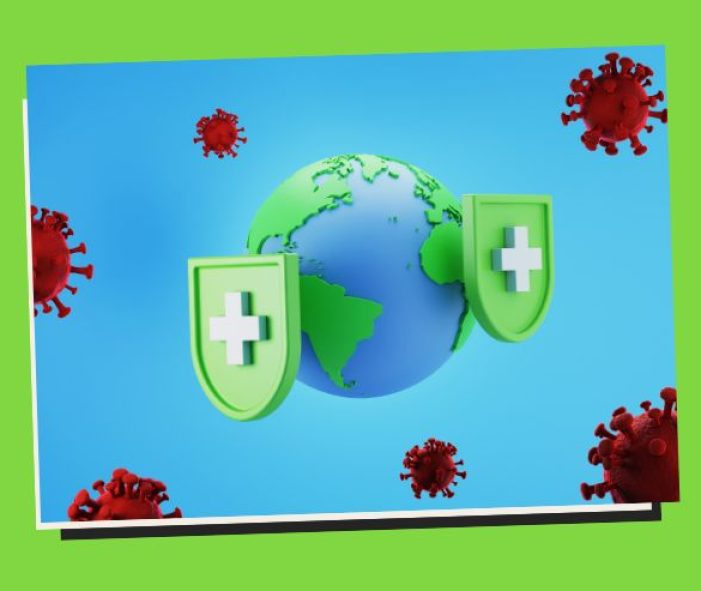
The Role of Vaccinations in Preventing Epidemics and Pandemics 🌍🦠
Rapid Response to Emerging Threats 🚨⚕️
Vaccines play a crucial role in responding to emerging infectious threats. During outbreaks, vaccines can be rapidly developed, tested, and deployed to curb the spread of disease. The COVID-19 pandemic highlighted the importance of swift vaccine development, which is pivotal in controlling the virus and saving millions of lives. 🚑🌟
Global Collaboration: A United Front 🌐🤝
Addressing global health challenges requires collaboration across nations, organizations, and sectors. Initiatives like COVAX, which aims to ensure equitable access to COVID-19 vaccines, exemplify the power of international cooperation in combating pandemics. Such efforts are essential for achieving global health security. 🌏🤝
The Lifelong Benefits of Vaccinations 📅🔄
Childhood Vaccinations: Building a Strong Foundation 👶🛡️
Childhood vaccinations are critical for building a robust immune system early on. They protect against life-threatening diseases like diphtheria, whooping cough, and measles, which can have severe complications. Ensuring children receive their vaccinations on schedule is key to safeguarding their health and wellbeing. 👦👧🌟
Adult Immunizations: Maintaining Health and Longevity 👨🦳👩🦳
Vaccinations aren’t just for children. Adults also need immunizations to protect against influenza, shingles, and pneumococcal infections. Staying up to date with vaccines is crucial for maintaining health and preventing illness, especially as the immune system weakens with age. 🧓👩⚕️
Travel Vaccinations: Safe Journeys Ahead ✈️🛡️
Traveling to different parts of the world can expose you to diseases not commonly found in your home country. Travel vaccinations, such as those for yellow fever or typhoid, are essential for protecting your health while exploring new destinations. They ensure you enjoy a safe and healthy journey. 🌍🧳
Navigating the Vaccination Process: Tips and Best Practices 📅📝
Consult Your Healthcare Provider 🩺👨⚕️
Before getting vaccinated, consult your healthcare provider to discuss your vaccination history, medical conditions, and any concerns. They can provide personalized advice and ensure you receive the appropriate vaccines for your age, health status, and lifestyle. 🗣️💉
Keep an Updated Vaccination Record 📋🔍
Maintaining an up-to-date vaccination record helps track the vaccines you’ve received and identify any you need. It’s a valuable tool for protecting you against preventable diseases. 📅🛡️
Be Informed and Ask Questions 🧐📚
Stay informed about the vaccines you are receiving. Ask questions about the benefits, potential side effects, and what to expect during and after the vaccination. Being knowledgeable empowers you to make informed decisions about your health. 📘💬
Follow Recommended Schedules 🕒📆
Adhering to recommended vaccination schedules is crucial for optimal protection. Delays or missed doses can leave you vulnerable to infections. Stick to the schedule provided by your healthcare provider to ensure continuous immunity. ⏰🛡️
Be Aware of Side Effects and How to Manage Them ⚠️🩹
Most vaccines have mild side effects, such as soreness at the injection site or a low-grade fever. These reactions are typically short-lived and manageable. If you experience any concerning symptoms, contact your healthcare provider for guidance. 🧑⚕️💬
Addressing Vaccine Hesitancy: Building Trust and Confidence 🤝💡
Educate and Communicate 🔍🗣️
Education is key to overcoming vaccine hesitancy. Providing accurate information about the safety and effectiveness of vaccines can help dispel myths and misconceptions. Open and respectful communication encourages trust and informed decision-making. 🧑🏫📖
Highlight Success Stories and Positive Outcomes 🎉👍
Sharing success stories of individuals and communities that have benefited from vaccinations can inspire confidence. Highlighting the positive impact of vaccines in preventing diseases and saving lives can motivate others to get vaccinated. 🌟👏
Engage Community Leaders and Influencers 🧑🤝🧑🏛️
Engaging community leaders, healthcare professionals, and influencers can amplify the message about the importance of vaccinations. Their endorsement can build trust and encourage people to embrace vaccination as a critical health measure. 🌐🗣️
Supportive Policies and Access 🏛️📝
Implementing supportive policies and ensuring easy access to vaccines are vital for increasing vaccination rates. This includes providing affordable or free vaccines, establishing convenient vaccination centers, and promoting public health campaigns. 🏥🏙️
🚀 Key Benefits of Vaccinations 🚀
1. Prevention of Diseases 🛡️
Vaccinations provide immunity against a myriad of infectious diseases, significantly reducing the incidence and severity of illnesses such as measles, polio, and influenza. By stimulating the immune system, vaccines help the body recognize and fight pathogens, preventing disease onset.
2. Reduction in Mortality Rates ⚰️➡️🌈
Historically, vaccines have drastically decreased mortality rates associated with contagious diseases. For instance, smallpox, once a leading cause of death, was eradicated through global vaccination efforts, saving millions of lives.
3. Community Immunity (Herd Immunity) 👨👩👧👦🦠
When a significant portion of the population is vaccinated, the spread of contagious diseases is curbed, protecting those who are unvaccinated or have weakened immune systems. This phenomenon, herd immunity, is vital for safeguarding public health.
4. Prevention of Disease Complications 💉➡️🏥
Vaccines not only prevent infections but also mitigate the risk of severe complications associated with diseases. For example, the influenza vaccine reduces the likelihood of pneumonia, a serious flu-related complication.
5. Economic Benefits 💵💊
Vaccines reduce the economic burden associated with medical treatments, hospitalizations, and loss of productivity by preventing illness. The World Health Organization estimates that for every dollar spent on childhood immunizations, $44 is saved in healthcare costs and lost productivity.
6. Protection of Future Generations 👶🔒
Vaccinating today’s population safeguards future generations by reducing or eliminating the prevalence of infectious diseases. This legacy of protection ensures a healthier future for our children and grandchildren.
7. Control of Disease Outbreaks 🚫🦠
Vaccination campaigns are essential for controlling and preventing outbreaks of infectious diseases. For instance, widespread polio vaccination has led to the near-eradication of the disease globally.
8. Global Health Improvement 🌍❤️
Vaccines contribute to the improvement of global health by reducing disease transmission across borders. International vaccination programs have been instrumental in controlling diseases like yellow fever and meningitis in endemic regions.
9. Contribution to Longevity 👵👴🎉
Vaccinated individuals enjoy a higher life expectancy as vaccines protect against deadly diseases that could otherwise shorten life spans. Vaccinations contribute to a longer, healthier life by preventing both infectious diseases and their complications.
10. Support for Antibiotic Stewardship 💊🚫🦠
Vaccines reduce the need for antibiotics by preventing bacterial infections, thereby playing a role in combating antibiotic resistance. This is crucial as antibiotic-resistant infections pose a significant threat to global health.
📚 Case Studies Highlighting the Power of Vaccinations 📚
1. Eradication of Smallpox 🌍❌
Smallpox, a devastating disease with a high mortality rate, was eradicated in 1980 following a successful global vaccination campaign. The smallpox vaccine is a testament to the power of vaccinations in eliminating a disease.
2. Polio Reduction in India 🇮🇳🏅
India was declared polio-free in 2014 after a concerted vaccination effort that immunized millions of children. The success story underscores the effectiveness of vaccines in combating highly contagious diseases.
3. Measles Outbreak Control in the U.S. 🇺🇸🛑
In 2019, a measles outbreak in the U.S. was controlled through rapid vaccination responses, preventing a widespread epidemic. This case highlights the importance of maintaining high vaccination coverage to manage disease outbreaks.
4. HPV Vaccination in Australia 🇦🇺🌸
Australia’s national HPV vaccination program has led to a significant reduction in cervical cancer rates, demonstrating the vaccine’s effectiveness in preventing cancer-causing infections.
5. Meningitis Control in Africa 🌍💉
The introduction of the MenAfriVac vaccine in the African meningitis belt has drastically reduced meningitis A cases, showcasing the impact of vaccination in regions prone to deadly outbreaks.
6. Rubella Elimination in the Americas 🌎👶
The Americas were declared free of endemic rubella in 2015 due to extensive vaccination campaigns, highlighting the role of vaccines in eliminating congenital infections and protecting unborn children.
7. Influenza Vaccination in the Elderly 👴💉
In the U.K., annual influenza vaccination in elderly populations has significantly reduced hospitalizations and deaths, demonstrating the importance of vaccination in protecting vulnerable age groups.
8. Pneumococcal Vaccine Success in Kenya 🇰🇪🏥
Kenya’s pneumococcal vaccination program has reduced child mortality rates by preventing pneumonia, the leading cause of death among children under five, illustrating vaccines’ role in improving child health.
9. Hepatitis B Control in Taiwan 🇹🇼🔬
Taiwan’s hepatitis B vaccination program has led to a dramatic decrease in hepatitis B infections and liver cancer, highlighting the long-term health benefits of vaccination.
10. Yellow Fever Control in Brazil 🇧🇷🦟
Mass vaccination campaigns against yellow fever in Brazil have prevented outbreaks and controlled the spread of this mosquito-borne disease, emphasizing the importance of vaccines in managing vector-borne diseases.
🔑 Key Takeaways on Vaccinations and Immune Defense 🔑
- Essential for Disease Prevention: Vaccinations are crucial for preventing a wide range of infectious diseases.
- Herd Immunity Benefits: High vaccination coverage protects entire communities by preventing disease spread.
- Economic Savings: Vaccines provide significant financial benefits by reducing healthcare costs and productivity losses.
- Protection Across Generations: Vaccinating today protects future generations from infectious diseases.
- Outbreak Control: Vaccinations are essential for managing and preventing disease outbreaks.
- Contribution to Global Health: Vaccination programs improve health outcomes globally, reducing disease prevalence.
- Long-Term Health Benefits: Vaccines provide long-term protection against deadly diseases and their complications.
- Support for Antibiotic Stewardship: Vaccines reduce the need for antibiotics, helping combat antibiotic resistance.
- Life Expectancy Increase: Vaccinated individuals enjoy longer life expectancies due to protection against infectious diseases.
- Cancer Prevention: Certain vaccines, like the HPV vaccine, prevent infections that can lead to cancer.
❓ Frequently Asked Questions (FAQs) About Vaccinations ❓
1. How do vaccines work? 💉🔬
Vaccines work by introducing a harmless component of a pathogen into the body, prompting the immune system to recognize and remember the pathogen. This helps the body to respond more rapidly and effectively if exposed to the actual pathogen in the future.
2. Are vaccines safe? 🛡️👨⚕️
Yes, vaccines undergo rigorous testing and monitoring to ensure their safety and efficacy. Adverse effects are rare and typically mild, such as a sore arm or low-grade fever.
3. What is herd immunity? 🧑🤝🧑🛡️
Herd immunity occurs when a significant portion of a population is vaccinated, reducing the spread of disease and protecting those who are not immune, such as individuals with medical conditions that prevent vaccination.
4. Can vaccines cause the disease they are supposed to prevent? 🦠❌
No, vaccines do not cause the diseases they protect against. They use inactivated or weakened pathogens or parts of the pathogen to stimulate an immune response without causing illness.
5. Why are multiple doses of some vaccines necessary? 🔄💉
Multiple doses may be required to build and maintain immunity. Booster doses are given to sustain immunity over time, ensuring long-term protection.
6. What are the side effects of vaccines? ⚠️💊
Common side effects include mild symptoms like fever, soreness at the injection site, and fatigue. Severe side effects are extremely rare and are closely monitored.
7. How do vaccines contribute to public health? 🌍❤️
Vaccines reduce the spread of infectious diseases, prevent outbreaks, and protect vulnerable populations, significantly improving public health outcomes.
8. Are vaccines effective against new variants of diseases? 🔄🦠
Vaccines are designed to provide broad protection, and many are effective against multiple strains or variants of a disease. Ongoing research and vaccine updates help maintain effectiveness against emerging variants.
9. Why is it important to vaccinate children? 👶💉
Children are vulnerable to many infectious diseases, and vaccinating them helps prevent serious illnesses, complications, and the spread of diseases to others.
10. Can vaccines eradicate diseases? 🌍❌
Yes, vaccines have eradicated diseases like smallpox and have the potential to eliminate others, such as polio and measles, through widespread immunization efforts.
Conclusion: Embracing the Power of Vaccinations 🌟🛡️
Vaccinations are a powerful tool in our fight against infectious diseases. They safeguard our health, protect our communities, and contribute to a healthier world. By
understanding the importance of vaccines and embracing vaccination, we can collectively build a resilient immune defense and ensure a brighter, healthier future for all. 🌍💉✨
Remember, getting vaccinated is not just about protecting yourself—it’s about safeguarding the health of those around you and contributing to the greater good. So, let’s take a stand for public health and embrace the power of vaccinations! 🛡️👩⚕️👨⚕️
Stay informed, stay protected, and spread the word about the life-saving benefits of vaccines. Together, we can create a world free from preventable diseases! 🌟🌏🙌
Additional Resources 📚🔗
- Centers for Disease Control and Prevention (CDC) – Vaccines
- World Health Organization (WHO) – Immunization
- Vaccines.gov
Thank you for reading, and stay healthy! 🌟👩⚕️👨⚕️
Feel free to share this article and help spread awareness about the importance of vaccinations! 📢🔗
Key Phrases
- Importance of vaccinations in immune defense
- Benefits of vaccinations for immune health
- How vaccines protect the immune system
- Role of vaccinations in disease prevention
- Vaccinations and immune system strength
- Essential facts about vaccinations and immunity
- Vaccinations for a stronger immune defense
- Immune health benefits of vaccines
- Critical role of vaccines in health protection
- Vaccines and immune response enhancement
Best Hashtags
- #VaccinationBenefits
- #ImmuneDefense
- #HealthProtection
- #VaccineAwareness
- #StrongerImmunity
- #DiseasePrevention
- #VaccineImportance
- #ImmunityBoost
- #PublicHealth
- #VaccinationEducation
Save/Share this post with QR CODE
Disclaimer
The information provided in this article is for educational and informational purposes only and is not intended to substitute professional medical advice, diagnosis, or treatment. Always seek the advice of your physician or qualified health provider with any questions you may have regarding a medical condition or wellness program.
Work with Us
If you have collaboration ideas, comments, suggestions, reviews, or need website care support services, feel free to visit our Work with Us page anytime.
We appreciate your reading. 😊Simple Ways To Say Thanks & Support Us:
1.) ❤️GIVE A TIP. Send a small donation thru Paypal😊❤️
Your DONATION will be used to fund and maintain NursingWellness.com
Subscribers in the Philippines can make donations to mobile number 0917 906 3081, thru GCash.
3.) 🛒 BUY or SIGN UP to our AFFILIATE PARTNERS.
4.) 👍 Give this news article a THUMBS UP, and Leave a Comment (at Least Five Words).
AFFILIATE PARTNERS

World Class Nutritional Supplements - Buy Highest Quality Products, Purest Most Healthy Ingredients, Direct to your Door! Up to 90% OFF.
Join LiveGood Today - A company created to satisfy the world's most demanding leaders and entrepreneurs, with the best compensation plan today.