Beyond Fear: Practical Strategies to Conquer Panic Attacks and Reclaim Your Calm
Learn to breathe, ground, and overcome. Discover proven techniques to reduce the intensity and frequency of panic attacks, empowering you to navigate life’s challenges with greater confidence. Click to unlock your inner calm.
Navigating the Storm: Practical Strategies for Managing Panic Attacks
In the whirlwind of modern life, where stress often feels like a constant companion, it’s not uncommon to experience moments of overwhelming anxiety. For some, this anxiety can escalate into a full-blown panic attack – a sudden surge of intense fear or discomfort that can feel utterly terrifying. Imagine your heart pounding like a drum, shortness of breath, dizziness, and a terrifying sense of losing control, all hitting you seemingly out of nowhere. These episodes, while distressing, are manageable. Learning practical strategies for managing panic attacks is not only possible but also empowers you to regain control and navigate these storms with greater resilience.
This article is designed to be a beacon for anyone who has experienced the disorienting grip of a panic attack, whether it’s a new challenge or a familiar struggle. We’ll explore what panic attacks are, offer actionable advice on how to cope in the moment, and provide insights into long-term strategies for prevention and well-being. From understanding your body’s signals to cultivating a toolkit of coping mechanisms, you’ll find valuable guidance to help you navigate the storm and emerge stronger.
How to Get Started with Managing Panic Attacks
Taking the first step towards managing panic attacks can feel daunting, but it starts with simple, actionable practices.
- Acknowledge and Identify: The first step is to recognize what’s happening. Acknowledge that you are experiencing a panic attack, not a life-threatening medical emergency. This simple recognition can begin to calm the initial surge of fear.
- Practice Diaphragmatic Breathing: When a panic attack strikes, breathing often becomes shallow and rapid. Learning to breathe deeply from your diaphragm (belly breathing) can significantly slow your heart rate and calm your nervous system. Practice this daily, even when you’re not anxious.
- Grounding Techniques: Panic attacks can make you feel disconnected from reality. Grounding techniques help bring your focus back to the present moment. Try the “5-4-3-2-1” method: identify 5 things you can see, 4 things you can touch, 3 things you can hear, 2 things you can smell, and 1 thing you can taste.
- Create a “Coping Kit”: Assemble a small kit of items that bring you comfort or distraction: a favorite scent, a stress ball, a comforting photo, or a piece of soothing music. Have it readily accessible.
- Educate Yourself: Learn about the physiological responses during a panic attack. Understanding that symptoms like a racing heart or dizziness are part of the body’s “fight or flight” response, not signs of a heart attack or losing your mind, can reduce fear.
- Identify Triggers (if any): Start a journal to note down when and where panic attacks occur, and what might have preceded them. While panic attacks can be spontaneous, recognizing patterns can help with avoidance or preparation.
- Develop a “Safe Place” Visualization: Create a mental image of a calm, safe place you can retreat to in your mind during an attack. Practice visualizing this place regularly.
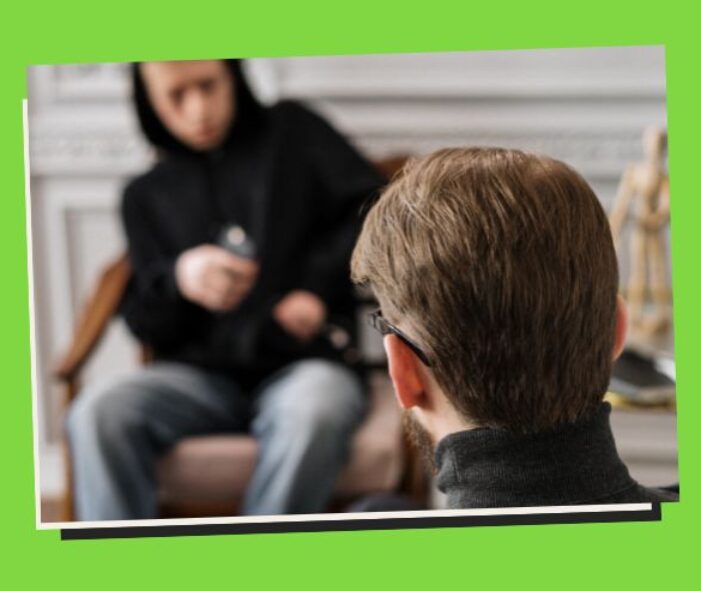
- Talk to a Trusted Person: Share your experiences with a friend, family member, or therapist. Simply vocalizing what you’re going through can alleviate feelings of isolation.
- Limit Stimulants: Reduce your intake of caffeine, nicotine, and excessive sugar, as these can exacerbate anxiety symptoms.
- Consult a Professional: If panic attacks are frequent, severe, or impacting your daily life, seek guidance from a mental health professional (therapist, counselor, psychiatrist). They can provide tailored strategies and, if necessary, medication options.
10 Tips to Improve or Get the Most Out of Managing Panic Attacks
- Consistent Breathing Practice: Don’t just practice breathing during an attack. Make deep breathing a daily habit to strengthen your ability to use it when needed.
- Mindfulness Meditation: Regular mindfulness practice can improve your ability to observe anxious thoughts without judgment, reducing their power.
- Regular Physical Activity: Exercise is a natural anxiety reducer. Even a brisk walk can help dissipate excess adrenaline.
- Sufficient Sleep: Sleep deprivation can heighten anxiety levels. Prioritize 7-9 hours of quality sleep per night.
- Balanced Diet: Fuel your body with nutritious foods. Avoid skipping meals, which can lead to blood sugar drops and anxiety.
- Limit News and Social Media Overload: Excessive exposure to negative news or social comparison can amplify anxiety.
- Practice Progressive Muscle Relaxation (PMR): Tense and then relax different muscle groups in your body to release physical tension.
- Challenge Anxious Thoughts: When negative thoughts arise, question their validity. Are they facts or just feelings?
- Stay Hydrated: Dehydration can sometimes mimic anxiety symptoms; ensure adequate water intake.
- Focus on Acceptance: Paradoxically, sometimes accepting the presence of a panic attack, rather than fighting it, can help it pass more quickly. Remind yourself it will pass.
10 Benefits of Engaging with Strategies for Managing Panic Attacks
- Increased Sense of Control: Learning coping mechanisms empowers you to feel less helpless during an attack.
- Reduced Frequency and Intensity: Effective strategies can lead to fewer and milder panic attacks over time.
- Improved Quality of Life: Less fear of attacks allows for greater engagement in daily activities and social situations.
- Enhanced Emotional Regulation: You develop better skills to manage intense emotions in general.
- Better Physical Health: Reduced anxiety can positively impact sleep, digestion, and overall stress levels.
- Stronger Relationships: Openly discussing your experiences can deepen connections with supportive loved ones.
- Greater Self-Awareness: You become more attuned to your body’s signals and emotional triggers.
- Increased Resilience: Facing and managing panic attacks builds mental toughness and adaptability.
- Reduced Avoidance Behaviors: You’re less likely to avoid situations or places out of fear of an attack.
- Path to Long-Term Well-being: These strategies are foundational for addressing underlying anxiety and fostering mental health.
Pros and Cons of Strategies for Managing Panic Attacks
Pros:
- Empowering: Puts control back into your hands during a frightening experience.
- Accessible: Many techniques (like breathing, grounding) can be done anywhere, anytime.
- Drug-Free Options: Provides non-pharmacological ways to cope.
- Immediate Relief: Some techniques offer quick symptom reduction.
- Long-Term Impact: Builds skills that contribute to overall mental well-being.
- Reduces Fear of Attacks: Knowing you have tools reduces anticipatory anxiety.
- Teaches Self-Regulation: Develops the ability to calm your own nervous system.
- Personalized: Strategies can be tailored to individual needs and preferences.
- Proactive Approach: Moves beyond just reacting to actively prevent or mitigate.
- Non-Invasive: No side effects associated with medication.
Cons:
- Requires Practice: Techniques are not always effective immediately; consistent effort is needed.
- Can Be Overwhelming Initially: Learning new strategies during high anxiety can be difficult.
- Not a Cure-All: May not address underlying causes without professional help.
- Symptoms Can Still Feel Intense: Even with strategies, the experience remains unpleasant.
- Varying Effectiveness: What works for one person may not work for another.
- Relies on Self-Discipline: Requires commitment to practice and implement.
- Can Be Misinterpreted: Some might try to “fight” the attack rather than “ride it out.”
- External Triggers Still Exist: Strategies help cope, but don’t remove the trigger itself.
- May Need Professional Guidance: Complex cases often require therapy.
- Potential for Relapse: Progress isn’t always linear; setbacks can occur.
Case Studies of People/Companies Successfully Applying Strategies for Managing Panic Attacks
- Emma, a College Student: Emma struggled with panic attacks during exams. By learning diaphragmatic breathing and practicing mindfulness before and during tests, she significantly reduced the intensity and frequency of her attacks, improving her academic performance.
- David, a Public Speaker: David experienced panic attacks before presentations. He used systematic desensitization (gradually exposing himself to public speaking situations) combined with positive self-talk and grounding techniques to successfully manage his fear.
- Sarah, a New Mother: Postpartum anxiety led to panic attacks. Sarah found relief through regular meditation apps, connecting with a support group, and ensuring she got adequate rest, which helped stabilize her mood.
- The Calm App: This widely used meditation and mindfulness app provides guided meditations, breathing exercises, and sleep stories specifically designed to reduce anxiety and promote relaxation, successfully helping millions manage stress and panic.
- Dr. Claire Weekes (Pioneer in Panic Disorder Treatment): Her “Acceptance and Float” method, emphasizing acceptance of symptoms rather than fighting them, has helped countless individuals for decades, teaching them to ride out the “waves” of panic.
- A Large Tech Company’s Wellness Program: Implementing mandatory mindfulness breaks and offering workshops on stress management, including techniques for managing panic attacks, resulted in a reported decrease in employee anxiety and burnout.
- Mark, a PTSD Sufferer: Mark utilized Eye Movement Desensitization and Reprocessing (EMDR) therapy, alongside daily grounding exercises, to process traumatic memories and reduce the severity and frequency of panic attacks linked to his PTSD.
- Anna, Battling Agoraphobia: Anna, with the help of cognitive behavioral therapy (CBT) and a supportive therapist, gradually exposed herself to feared situations while employing breathing and positive self-talk strategies, significantly reducing her agoraphobia and panic.
- The Headspace App: Similar to Calm, Headspace offers structured programs for anxiety, stress, and sleep, guiding users through foundational mindfulness techniques that are highly effective for managing panic attacks.
- John, a Healthcare Professional: Working in a high-stress environment, John learned to identify early signs of anxiety and implement quick distraction techniques (e.g., listening to a specific song, focusing on a complex puzzle) before panic fully escalated.
Key Takeaways
- Panic attacks are intense, but temporary, surges of fear.
- Diaphragmatic breathing is a powerful immediate coping tool.
- Grounding techniques reconnect you to the present moment.
- Understanding symptoms as a “fight or flight” response reduces fear.
- Regular practice of coping strategies is crucial for effectiveness.
- Lifestyle factors (sleep, diet, exercise) significantly impact anxiety.
- Challenging anxious thoughts can weaken their hold.
- Professional help is invaluable for persistent or severe panic attacks.
- Acceptance, paradoxically, can help panic attacks pass more quickly.
- You have the power to learn and implement strategies for managing panic attacks.
FAQs with Answers to Common Questions about Managing Panic Attacks
- Q: What exactly is a panic attack? A: A panic attack is a sudden episode of intense fear that triggers severe physical reactions when there is no real danger or apparent cause. Symptoms can include a racing heart, sweating, trembling, shortness of breath, chest pain, dizziness, nausea, and a feeling of impending doom or loss of control.
- Q: Can a panic attack cause me to die? A: No, panic attacks are not life-threatening. While the physical sensations can be very frightening and mimic serious medical conditions, they do not cause heart attacks, strokes, or any permanent physical harm.
- Q: How long does a panic attack typically last? A: Most panic attacks peak within 10 minutes and generally subside within 20-30 minutes, though some lingering anxiety might remain.
- Q: Is there a difference between anxiety and a panic attack? A: Yes. Anxiety is a general feeling of worry or unease, often with identifiable triggers, and can be chronic. A panic attack is an acute, intense, and often sudden surge of extreme fear, usually without an immediate external trigger, and characterized by severe physical symptoms.
- Q: When should I seek professional help for panic attacks? A: If panic attacks are frequent, severe, disrupt your daily life, cause you to avoid situations, or if you also experience persistent worry about having more attacks (panic disorder), it’s advisable to seek professional help from a therapist or doctor.
- Q: What type of therapy is most effective for managing panic attacks? A: Cognitive Behavioral Therapy (CBT), particularly exposure therapy, is widely considered the most effective therapeutic approach. It helps identify and change thought patterns and behaviors that contribute to panic.
- Q: Can medication help with panic attacks? A: Yes, certain medications, such as antidepressants (SSRIs) and anti-anxiety medications (benzodiazepines), can be prescribed to reduce the frequency and intensity of panic attacks. These are often used in conjunction with therapy.
- Q: Are panic attacks a sign of mental weakness? A: Absolutely not. Panic attacks are a physiological response, often triggered by a complex interplay of genetic predisposition, brain chemistry, stress, and environmental factors. Experiencing them is not a sign of weakness.
- Q: Can lifestyle changes truly make a difference in managing panic attacks? A: Yes, significant difference. Regular exercise, a balanced diet, adequate sleep, limiting caffeine/alcohol, and stress-reduction techniques (like meditation) form a crucial foundation for reducing overall anxiety and the likelihood of panic attacks.
- Q: What should I do immediately if I feel a panic attack coming on? A: Focus on your breathing (slow, deep breaths), use a grounding technique (like 5-4-3-2-1), remind yourself it will pass, and try to change your environment if possible (e.g., move to a quiet spot).
Conclusion
Experiencing a panic attack can be one of the most frightening experiences imaginable, but you are not alone, and help is available. By understanding the nature of these intense episodes and arming yourself with practical, evidence-based strategies for managing panic attacks, you can significantly reduce their impact on your life. Remember that every small step you take – from practicing deep breathing to seeking professional support – is a powerful act of self-care and resilience. Begin today to build your toolkit, regain control, and navigate life’s storms with greater calm and confidence. Your well-being is worth it.
Link Resources
- Mayo Clinic: Panic Attacks and Panic Disorder
- Anxiety & Depression Association of America (ADAA): Panic Disorder
- National Institute of Mental Health (NIMH): Panic Disorder
- HelpGuide.org: Panic Attacks and Panic Disorder
- Anxiety and stress relief whenever you need it
Key Phrases
Managing panic attacks, Panic attack strategies, Coping with anxiety, Overcoming panic, Anxiety relief techniques, Grounding exercises, Breathing for panic, Mental wellness, Stress management, Emotional regulation.
Best Hashtags
#PanicAttacks #AnxietyRelief #MentalHealth #CopingSkills #StressManagement #Mindfulness #SelfCare #PanicDisorder #WellnessJourney #BreatheDeep
Save/Share this post with QR CODE
Disclaimer
The information provided in this article is for educational and informational purposes only and is not intended to substitute professional medical advice, diagnosis, or treatment. Always seek the advice of your physician or qualified health provider with any questions you may have regarding a medical condition or wellness program.
Work with Us
If you have collaboration ideas, comments, suggestions, reviews, or need website care support services, feel free to visit our Work with Us page anytime.
We appreciate your reading. 😊Simple Ways To Say Thanks & Support Us:
1.) ❤️GIVE A TIP. Send a small donation thru Paypal😊❤️
Your DONATION will be used to fund and maintain NursingWellness.com
Subscribers in the Philippines can make donations to mobile number 0917 906 3081, thru GCash.
3.) 🛒 BUY or SIGN UP to our AFFILIATE PARTNERS.
4.) 👍 Give this news article a THUMBS UP, and Leave a Comment (at Least Five Words).
AFFILIATE PARTNERS

World Class Nutritional Supplements - Buy Highest Quality Products, Purest Most Healthy Ingredients, Direct to your Door! Up to 90% OFF.
Join LiveGood Today - A company created to satisfy the world's most demanding leaders and entrepreneurs, with the best compensation plan today.